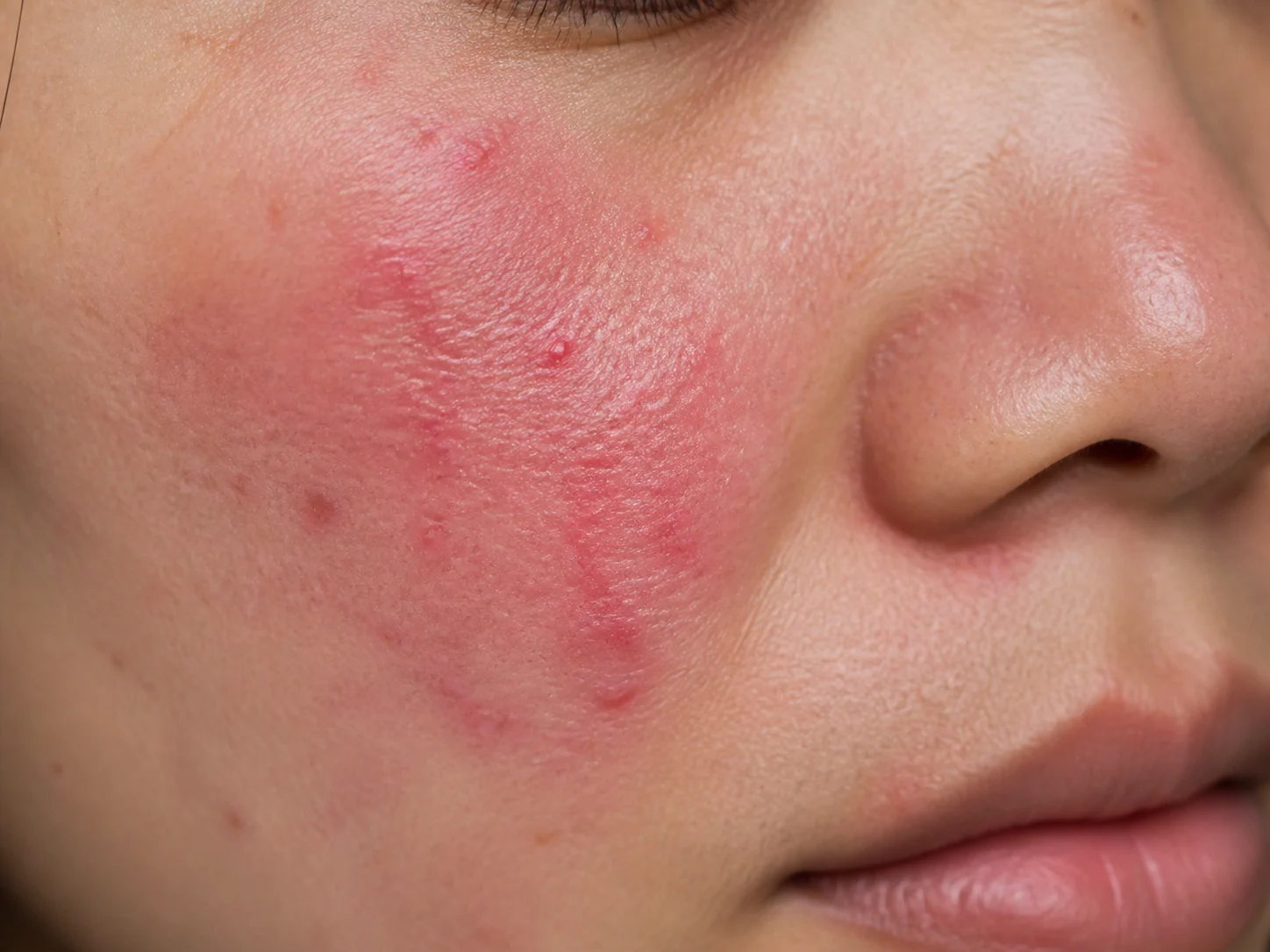
Acne and rosacea/facial flushing: Read in the order of your curiosity
Before concluding based on a single red spot
Criteria for examining the appearance and remaining marks of acne and rosacea/facial flushing
While acne is a mix of comedones, such as blackheads and whiteheads, and skin changes at various depths, Rosacearosacea is centered around persistent flushing, burning sensations, telangiectasia (visible blood vessels), and red papules mainly on the nose and cheeks, often without distinct comedones. It is distinguished from facial flushing, which reddens briefly due to emotional changes or hot environments and then subsides, by the duration of the redness.
Distinguishing Facial Redness
Points to check for acne, rosacea, and temporary flushing
| Points to Check | Acne | Rosacea/Flushing |
|---|---|---|
| Comedones | Commonly mixed | Usually not distinct in rosacea |
| Redness area | Centered around skin changes | Broad flushing of the nose and cheeks |
| Triggers | Sebum, cycle, products | Heat, alcohol, temperature, emotions |
| Eye symptoms | Not typical | Possible stinging, dryness, or foreign body sensation |
When to seek medical evaluation first
When to seek prompt medical evaluation for eye and face symptoms
The following changes require prompt medical evaluation.
- If there is eye pain, glare, or changes in vision
- If facial swelling and breathing difficulty occur suddenly
- If severe pain, blisters, and fever accompany one side of the face
Separating treatment goals for acne and flushing
Comedone-centered acne and vascular flushing are not treated as the same type of breakout
We distinguish between rosacea/facial flushing and acne to continue the necessary skin treatments, while examining the conditions under which facial heat and papules recur. If symptoms fluctuate alongside sleep, digestion, menstruation, or tension, we consider body heat, inflammation, andskin barrier the priorities for recovery to design a Korean herbal medicine prescription.
Distinguishing between comedones and widespread flushing
Check for the presence of blackheads or whiteheads, and whether the redness extends beyond the areas of skin change.
Record triggers and recovery time
Observe whether the redness lasts for several minutes or hours after exposure to heat, alcohol, or emotional stress.
Why we examine the irritated skin barrier
We check for pain during cleansing, dryness, flaking, and the history of changes in skincare products.
Treatment GoalWe separate the treatment goals for acne and flushing, and work to reduce skin irritation and the frequency of recurring widespread heat sensations and papules.
Consult using 7-day photos of acne and rosacea/facial flushing, and records of new acne breakouts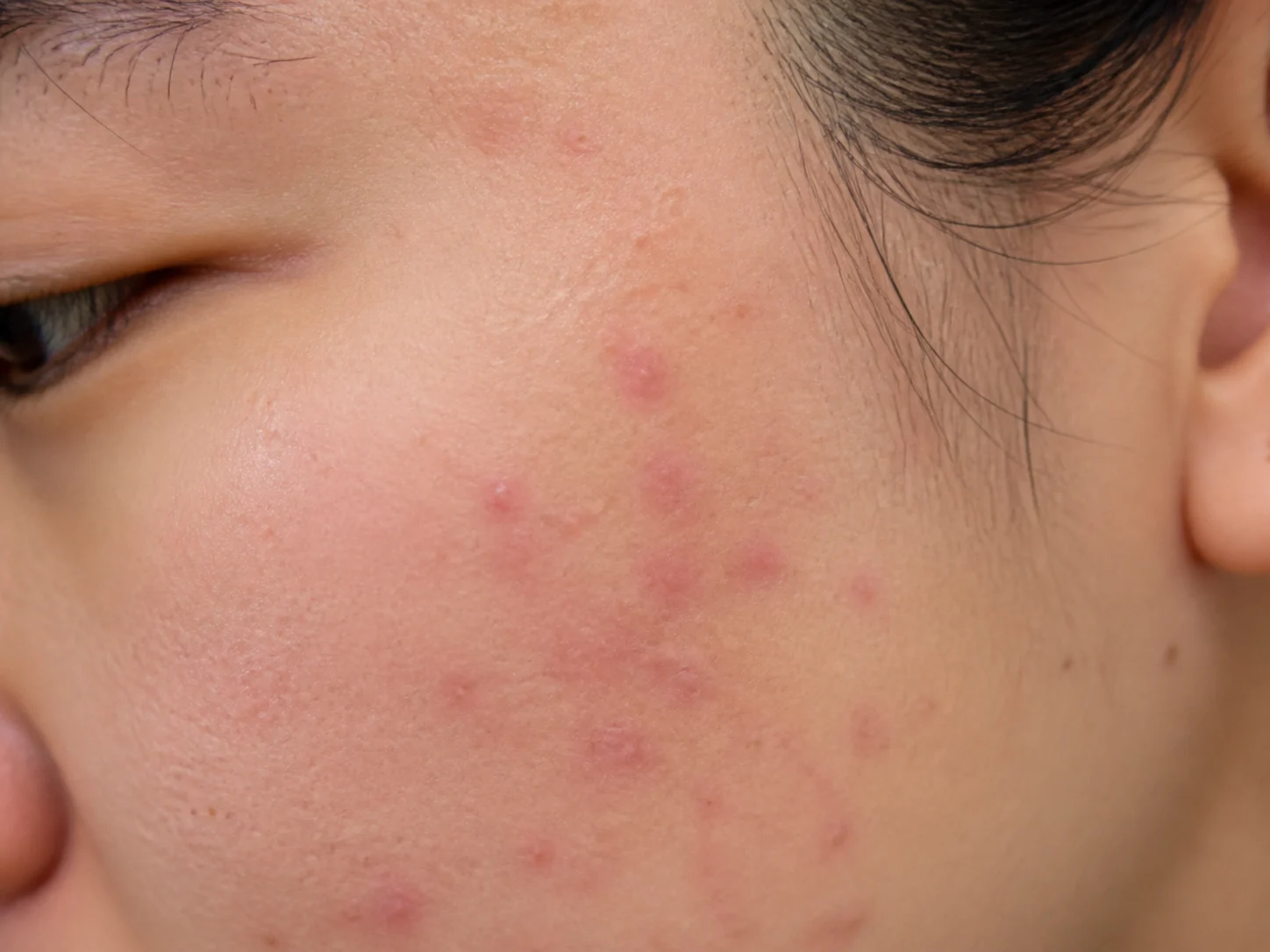
Redness that remains flat at the site of acne, without being raised or painful, must be distinguished from new inflammation, rosacea, and pitted scars.
Educational reproduction images and simplified diagrams of the process do not represent actual patient photos or treatment results.If you have had these experiences
For those whose facial burning sensation worsened more than the breakouts after using acne medication
We distinguish between rosacea/facial flushing and acne to continue the necessary skin treatments, and examine the facial heat sensations and papulethe conditions under which these recur. If symptoms fluctuate alongside sleep, digestion, menstruation, or tension, we design a Korean herbal medicine prescription by prioritizing the management of body heat, inflammation, and skin barrier recovery.
For those with widespread redness on the nose and cheeks mixed with small papules
When heat sensations and papules recur even after treatment for rosacea/flushing
For those whose face remains red for a long time after heat, alcohol, spicy food, or temperature changes
When facial heat sensations fluctuate along with sleep, tension, or digestion
For those with few comedones but who are sensitive and experience stinging during cleansing or when using cosmetics
When dryness, stinging, or flushing increased after using acne products
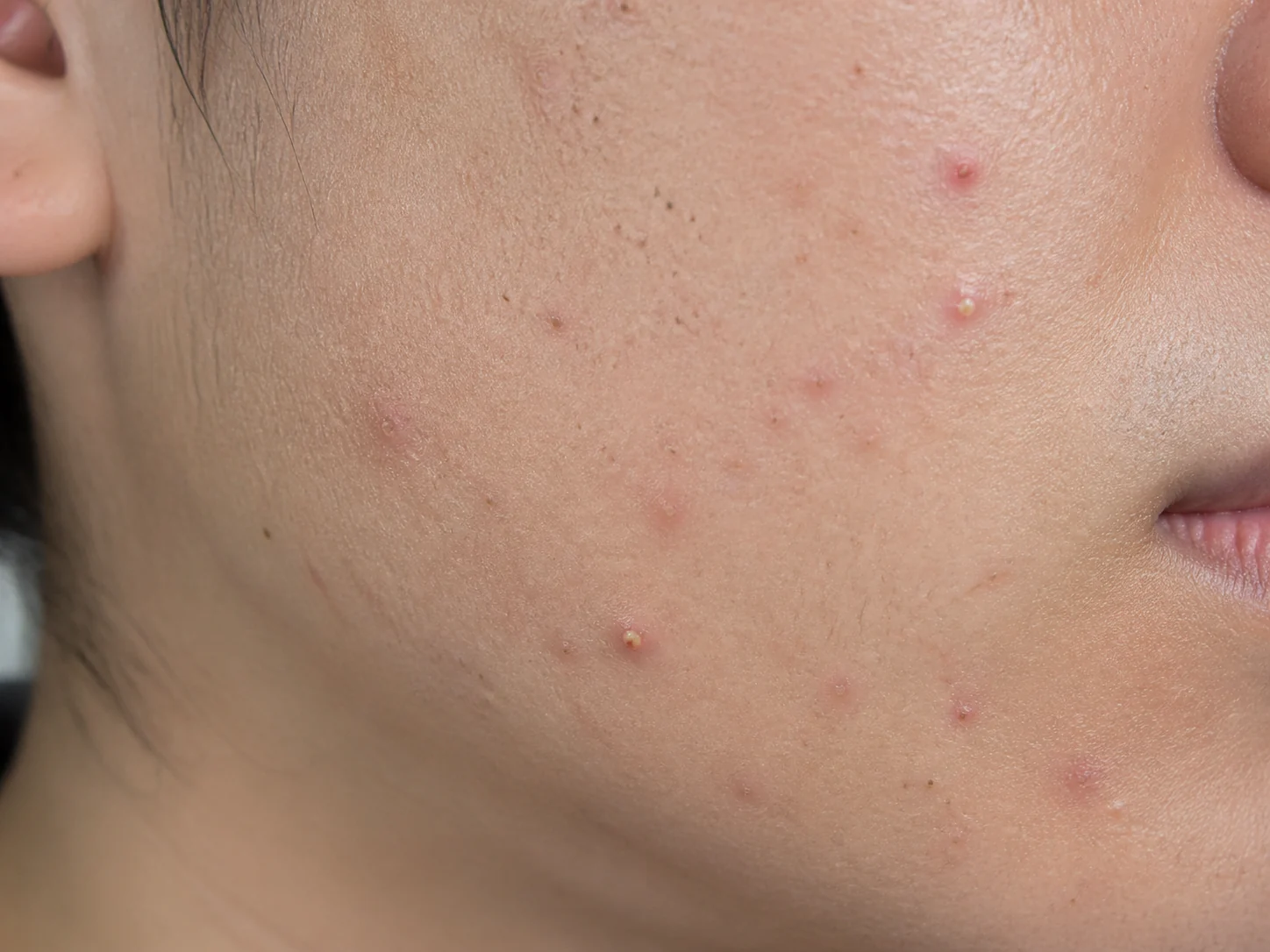
Since comedones, papules, and pustules can appear together on one face, we examine the deepest acne and the rate at which new ones form together.
This is how we examine during the medical evaluation
Criteria for distinguishing acne from rosacea/facial flushing based on appearance and remaining marks
Acne involves blackheads andwhiteheads While acne involves a mix of comedones and skin changes at various depths, rosacea is characterized by persistent redness, burning sensations, telangiectasia (visible blood vessels), and red papules primarily centered on the nose and cheeks, often without distinct comedones. It is distinguished from facial flushing, which occurs briefly due to emotional changes or hot environments before subsiding, by the duration of the redness.
Changes to check first
Acne involves blackheads andwhiteheads While acne involves a mix of comedones and skin changes at various depths, rosacea is characterized by persistent redness, burning sensations, telangiectasia (visible blood vessels), and red papules primarily centered on the nose and cheeks, often without distinct comedones. It is distinguished from facial flushing, which occurs briefly due to emotional changes or hot environments before subsiding, by the duration of the redness.
Repeated timing and context
Acne is blackheadsand whiteheads, involving a mix of comedones and skin changes at various depths, whereas rosacea is characterized by persistent redness, burning sensations, telangiectasia (visible blood vessels), and red papules primarily centered on the nose and cheeks, often without distinct comedones. It is distinguished from facial flushing, which occurs briefly due to emotional changes or hot environments before subsiding, by the duration of the redness.
Changes to monitor after treatment
We separate the treatment goals for acne and redness to reduce skin irritation and the frequency of recurring widespread heat sensations and papules.
Reasons Why It Does Not Heal Easily
Acne, Rosacea, and Facial Flushing: Why new acne continues to appear even after one condition subsides
We distinguish between rosacea/facial flushing and acne to provide the necessary skin treatments and examine the conditions that cause recurring facial heat and papules. If symptoms fluctuate alongside sleep, digestion, menstruation, or stress, we design a Korean herbal medicine prescription by prioritizing the recovery of body heat regulation, inflammation control, and the skin barrier.
Distinguishing between comedones and widespread redness
We check for the presence of blackheads or whiteheads and whether the skin outside the affected areas is also red.
Record triggers and recovery time
Observe whether redness lasts for several minutes or hours after exposure to heat, alcohol, or emotional triggers.
Why we examine the irritated skin barrier
We check for pain during cleansing, dryness, flaking, and the history of changes in skincare products.
Using photos as medical records
Acne, Rosacea, and Facial Flushing: Comparing 7-day changes using photos taken under the same lighting
We separate the treatment goals for acne and redness to reduce skin irritation and the frequency of recurring widespread heat sensations and papules.
Criteria for identifying mixed comedones
Blackheads and whiteheads are characteristics more closely associated with acne, but both conditions can overlap.
Criteria for identifying widespread redness centered on the nose and cheeks
Check if the skin feels red and burning, even in areas where no visible skin changes are present.
Criteria for evaluating heat, alcohol consumption, and temperature changes
Record the recovery time after being in hot spaces, bathing, or drinking alcohol.
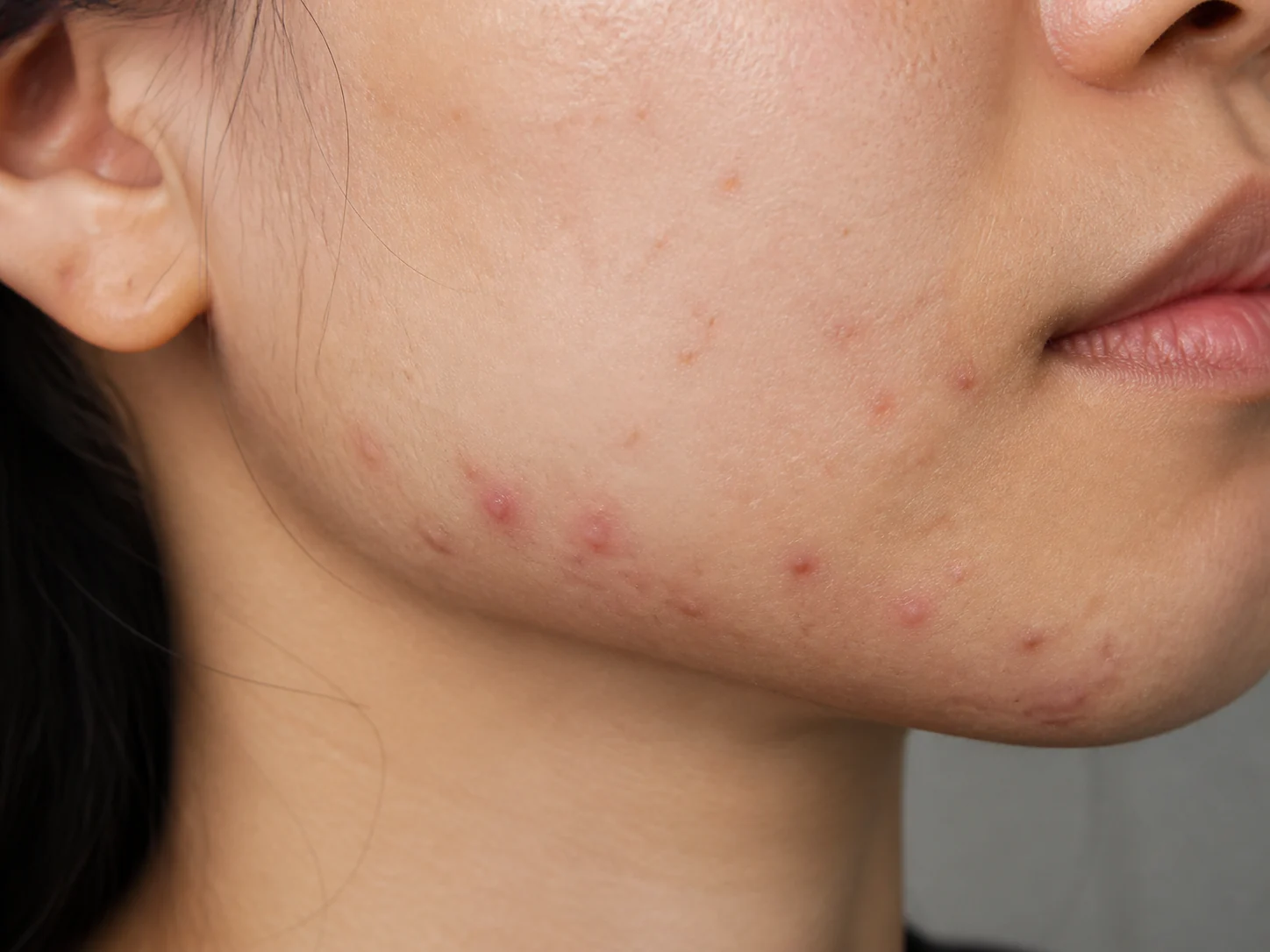
Before assuming it is a hormonal issue based solely on the jawline location, check if the dates align with changes in menstruation, skincare products, medication, or friction.
Korean herbal medicine pattern identification for acne, rosacea, and facial flushing
Why prescriptions for acne, rosacea, and facial flushing differ based on sebum, heat, dryness, and menstruation
Korean medicine pattern identificationis not a substitute for a rosacea diagnosis, but a process of distinguishing and linking each patient's unique heat sensations and recurrence conditions to the prescription.
When sebum, red papules, and facial heat are all significant
PapulespustulesCheck if they are mixed with widespread redness. Inquire about upper body heat, thirst, constipation, and worsening after alcohol consumption. The goal is to simultaneously reduce active inflammation and upper body heat.
When the skin is dry and feels burning at night
Observe thin, dry skin and persistent flushing. Check for dry mouth, heat sensations during sleep, and poor recovery. The goal is to address both heat sensations and dryness recovery without excessively cooling the body.
When sudden redness occurs after emotional stress or product irritation
Observe the range of redness and presence of dead skin cells or pain during cleansing. Record tension, caffeine intake, lack of sleep, and changes in products. Prioritize reducing upper body heat reactions and recovering the skin barrier.
Changes to monitor during treatment
Changes to check in next week's photos
Separate the treatment goals for acne and flushing, and reduce skin irritation and the frequency of recurring widespread heat sensations and papules.
Photos showing both comedones and widespread flushing
Please take photos under the same lighting for 7 days and include 'photos showing both comedones and widespread flushing'.
Heat, alcohol, temperature, emotions, and recovery time
Please take photos under the same lighting for 7 days and include 'heat, alcohol, temperature, emotions, and recovery time'.
Eye symptoms and acne/flushing medications used
Please take photos under the same lighting for 7 days and include 'eye symptoms and acne/flushing medications used'.
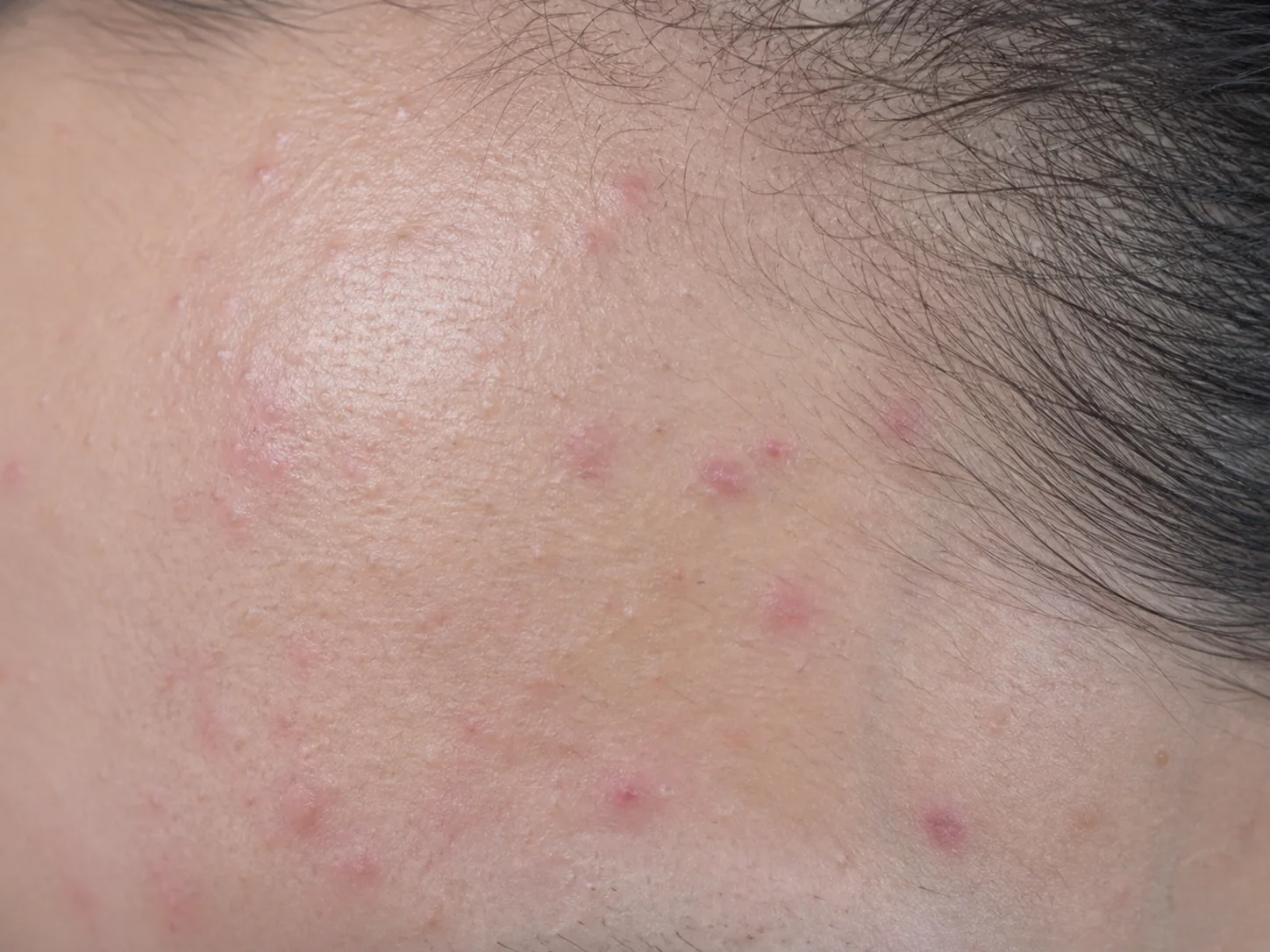
Skin-colored bumps and red inflammation can be mixed even within a single area. Rather than just counting the number, record the types of new acne that appear separately.
At the crossroads of sebum, heat, and recovery speed
Facial redness is the criterion for distinguishing between lung-stomach heat, yin-deficiency heat, tension-induced upper-body heat, and barrier damage.
Korean medicine pattern identification is not a substitute for a rosacea diagnosis; rather, after differentiation, it is Recurrence the process of linking the specific heat sensations and conditions of each patient to a prescription.
Pattern identification (Byeonjeung) is not about assigning a single constitution name to acne. The priority of the prescription changes depending on the connection between comedones, inflammation, heat sensation, sebum, delayed recovery, and menstruation, sleep, and digestion.
When sebum, red papules, and facial heat are all significant
- Changes observed in acne
- Check if papules and pustules are mixed with widespread redness.
- Accompanying changes observed in the body
- Inquire about upper-body heat, thirst, constipation, and worsening after alcohol consumption.
- Prescription priority
- The focus is on simultaneously reducing active inflammation and upper-body heat.
When the skin is dry and feels burning at night
- Changes observed in acne
- Check for thin, dry skin and persistent redness.
- Accompanying changes observed in the body
- Check for dry mouth, heat sensations during sleep, and poor recovery.
- Prescription priority
- Focus on recovering from heat sensations and dryness without excessively cooling the body.
When redness occurs suddenly after emotional stress or product irritation
- Changes observed in acne
- Check for pain during cleansing, flaking, and the extent of redness.
- Accompanying changes observed in the body
- Record tension, caffeine intake, lack of sleep, and changes in skincare products.
- Prescription priority
- Prioritize reducing the upper-body heat response and recovering the skin barrier.
When skin is dry and sensitive, but inflammation and marks persist
- Changes observed in acne
- For skin changes related to acne, rosacea, and facial flushing, observe the time it takes for tightness, flaking, and redness to subside.
- Accompanying changes observed in the body
- We check if new acne becomes deeper following lack of sleep, nighttime heat sensations, dry mouth, or fatigue.
- Prescription priority
- Rather than only lowering heat, we increase the focus on supplementing bodily fluids and supporting skin recovery.
Order of prescription adjustment
- Count comedones and redness separately
Separate the number of new acne lesions from the duration of redness.
- Points to check regarding eye symptoms and irritation history
Ensure that ocular symptoms and worsening caused by products are not overlooked.
- Criteria for adjustment based on heat sensation, sleep, and skin comfort
We look at the recovery of daily functions, not just photos of redness.
Why consider Korean herbal medicine treatment now?
- When heat sensation and papules recur even after treatment for rosacea or facial flushing
- When facial heat sensation fluctuates along with sleep, tension, and digestion
- When dryness, stinging, or flushing increases after using acne products
What is evaluated in herbal medicine treatment for this condition
- Photos showing both comedones and widespread flushing
- Recovery time in relation to heat, alcohol, temperature, and emotions
- Eye symptoms and the acne or flushing medications used
Deep nodules, widely spreading infections, and rapidly forming scars must be checked at a dermatology clinic without delay. For already pitted scars, separate procedures should be considered; Korean herbal medicine treatment examines the patterns of recurring new inflammation and the state of sleep, digestion, and menstruation that slow down skin recovery.
Consult regarding the progress of acne, rosacea, and facial flushingAcne Glossary
Additional information regarding acne, rosacea, and facial flushing
You can check simple definitions before proceeding to detailed explanations.Frequently Asked Questions
Frequently Asked Questions about acne, rosacea, and facial flushing
What should be checked to distinguish between acne and rosacea?
We examine the presence of comedones, widespread flushing on the nose and cheeks, worsening due to heat, alcohol, or temperature changes, and eye symptoms.
Can acne and rosacea occur at the same time?
Yes, it is possible. If both comedones and vascular flushing are present, separate treatment goals must be established for each.
Should I endure it if my face stings more after using acne medication?
Widespread burning, dryness, or flaking may be an irritant reaction, so the application method will be re-evaluated during a medical evaluation.
In what cases is herbal medicine treatment considered?
Consultation is available when heat sensation and papules recur along with issues with sleep, tension, and digestion, even after diagnosis and necessary skin treatments.
What should I record before a consultation for acne, rosacea, and facial flushing?
Photos showing both comedones and widespread flushing, recovery time after heat, alcohol, temperature changes, or emotional stress, eye symptoms, and any acne or flushing medications used.
Evidence and Update Information
Dr. Choi Yeon-seung, a Korean medicine doctor, organized this content based on the official professional materials and disease-specific clinical data below, and updated the content on 2026-08-26.
- American Academy of Dermatology: Is it acne or rosacea?Distinguishing rosacea from acne-like conditions
- Stanford Medicine 25: Acne vs. RosaceaComedones, persistent flushing, and triggering factors
- American Academy of Dermatology: RosaceaInformation on rosacea symptoms and ocular involvement
- NIAMS: AcneEvidence regarding the process of pore clogging by sebum and skin cells, bacterial and inflammatory action, and the influence of hormones, family history, certain medications, and aggravating factors
- American Academy of Dermatology: Adult acneEvidence regarding the context of hormonal fluctuations, stress, family history, skin and hair products, certain medications, and underlying diseases