Look closely at where the acne has appeared, and look at the patterns of recurrence over the long term
Even within the same type of acne
Depth and remaining marks differ
We have categorized comedones, red inflammation, deep nodules, marks, and scars using close-up images. Check when you should seek dermatological care by observing the shape of the acne and the speed at which new lesions appear.
Start with the visible clues rather than the diagnosis
Look at the shape of the acne and the remaining marks
Narrow down the guidance by identifying whether it is a comedone or inflammation, a flat red or brown mark, an actual indentation, or another rash that resembles acne.
Guidance for 15 diseases in total
Comedones · Inflammation · Nodules
Shape and depth of acne
We distinguish the form of acne and the risk of scarring, from blackheads and whiteheads to red inflammation and deep, painful nodules.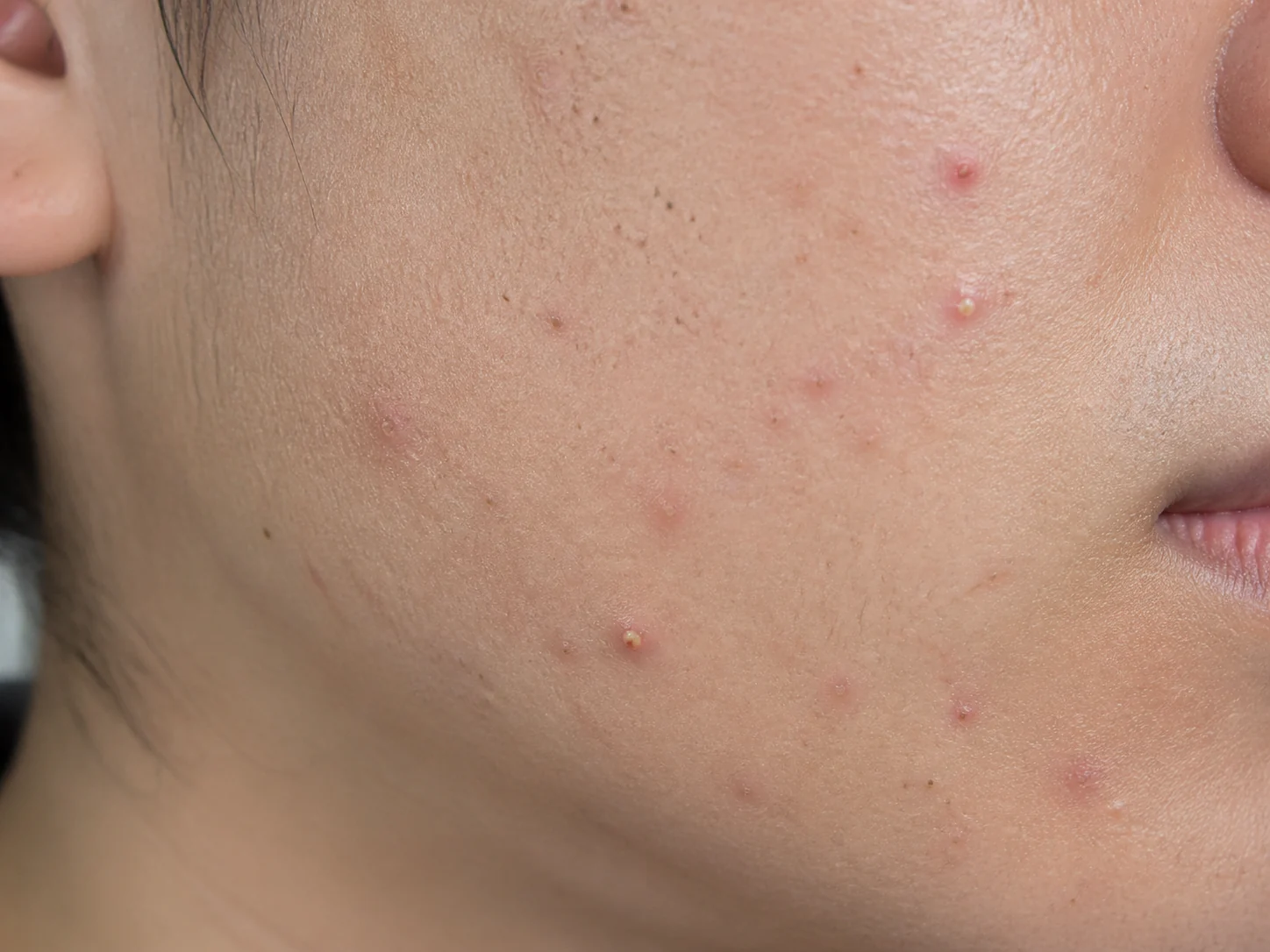
Acne
Acne begins with follicular keratinization, where dead skin cells at the opening of the hair follicle clump with sebum and block the pore; then, acne-causing bacteria naturally present on the skin contribute to inflammation. Hormonal changes such as puberty or pregnancy, family history, and certain medications can increase the risk, and skin or hair products that clog pores may also be related to acne. Diet or stress may be aggravating factors for some people, but a single food or cleansing habit cannot be concluded as the sole cause of all acne.
View condition guide →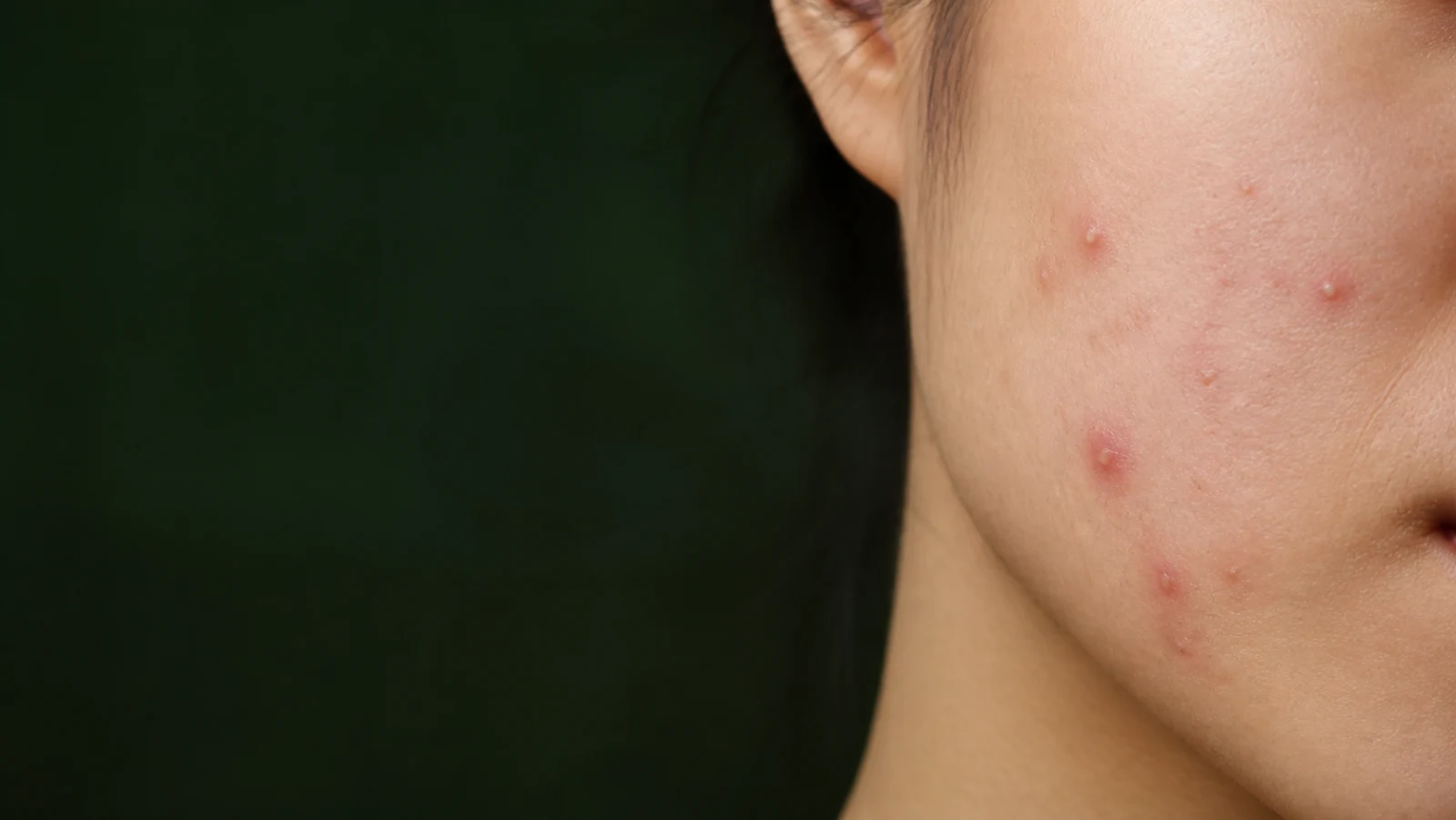
Inflammatory Acne
Inflammatory acne is characterized by the appearance of red papules and pustules caused by inflammation within blocked pores; if it deepens, hard and painful nodules or cysts may form. Rather than simply counting the number of acne lesions, we evaluate the ratio of comedones to inflammation, the number of deep and painful lesions, and the risk of inflammation and scarring that has developed within a week.
View condition guide →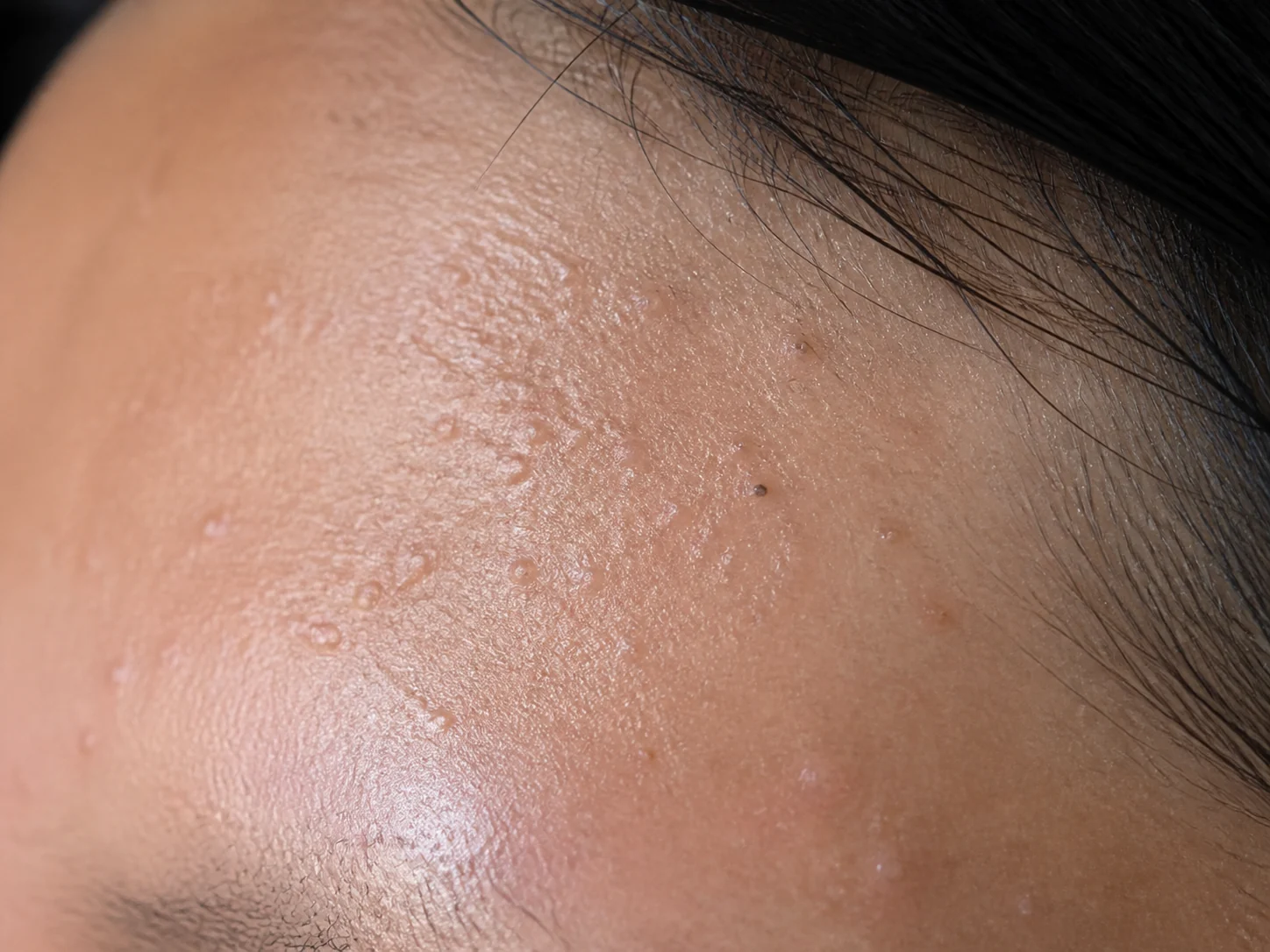
Comedonal Acne
The focus of treating comedonal acne is topical medication to reduce pore blockage from closed and open comedones, along with low-irritation skin care. Topical retinoids, benzoyl peroxide, or azelaic acid are selected based on skin condition and possibility of pregnancy; since these typically take several weeks to work, initial irritation and the number of new acne lesions are recorded. Do not squeeze them by hand or repeatedly use antibiotics alone.
View condition guide →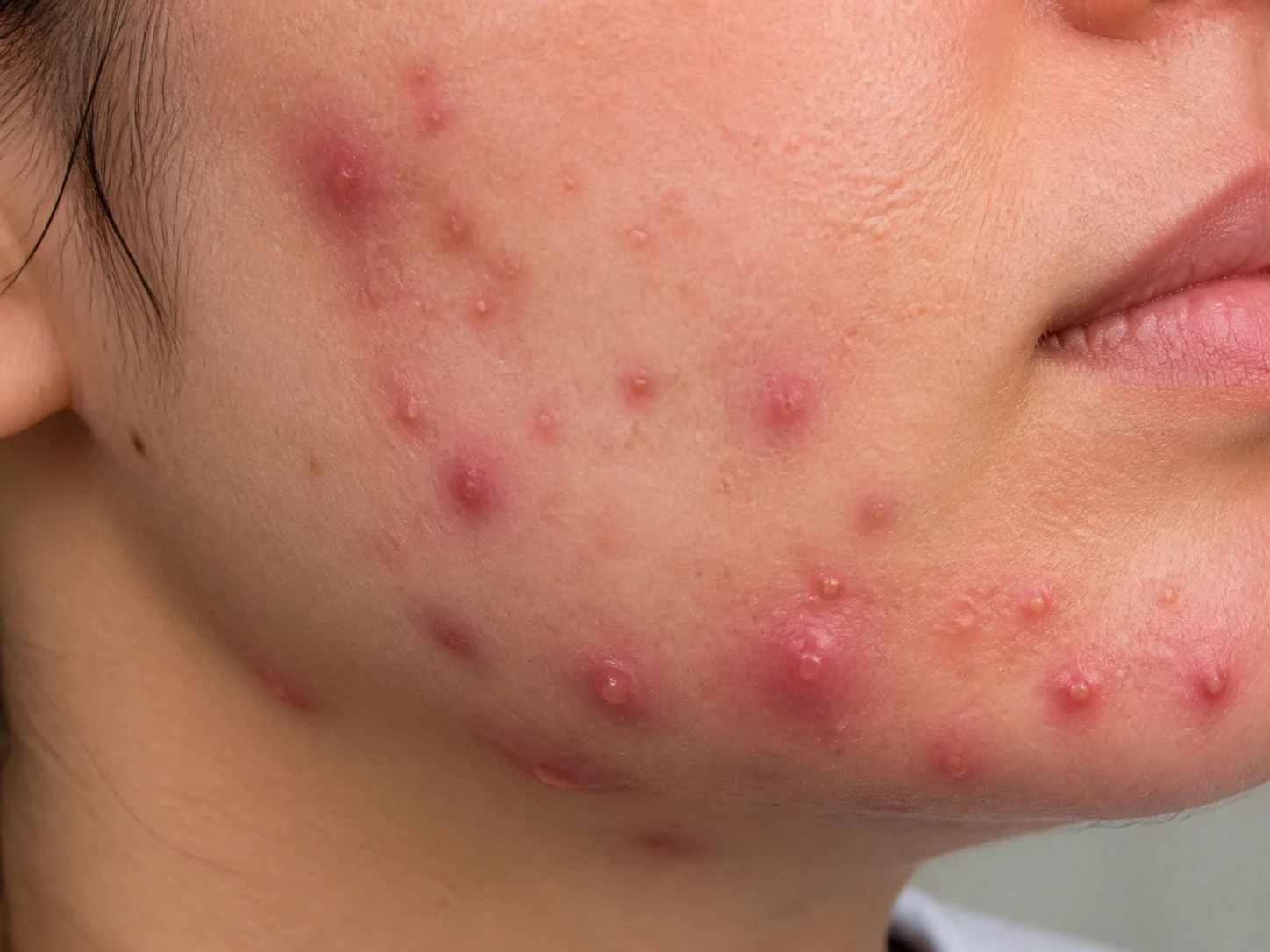
Purulent Acne
Purulent acne occurs through a complex process where excessive sebum is produced and inflammation deepens in areas where dead skin cells block the pores. Cystic acne, which feels like large, painful lumps under the skin, or deep nodules are prone to leaving scars, so it is advisable to determine a treatment direction early. Hormonal changes during puberty or around menstruation, certain medications, and repeated friction may overlap as aggravating factors, but it cannot be attributed to a single food or a lack of washing.
View condition guide →Jawline · Forehead · Chest · Back
Recurrent Locations and Adult Acne
When acne begins in adulthood or recurs in specific locations, we examine the relationship with hormones, skincare products, medications, and friction.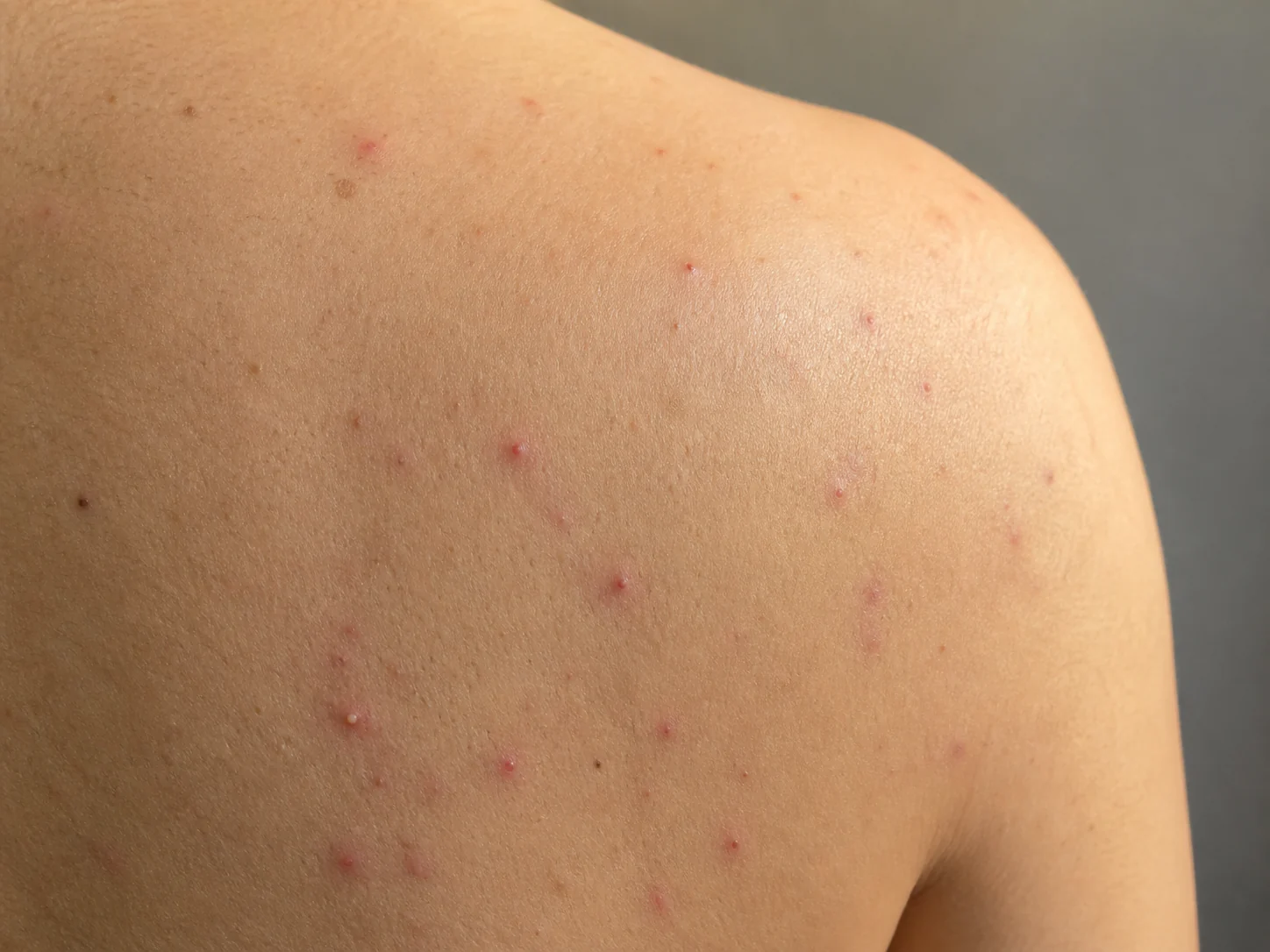
Back Acne
Back acne is not caused by poor hygiene; it fundamentally occurs when sebum and dead skin cells clog pores, leading to inflammation within the hair follicle. The back has many sebaceous glands, and heat and sweat easily get trapped under sportswear, backpacks, or protective gear, which can increase friction. If itchy breakouts of similar size spread suddenly, other diagnoses such as bacterial or Malassezia folliculitis may be possible, so a dermatology evaluation is necessary.
View condition guide →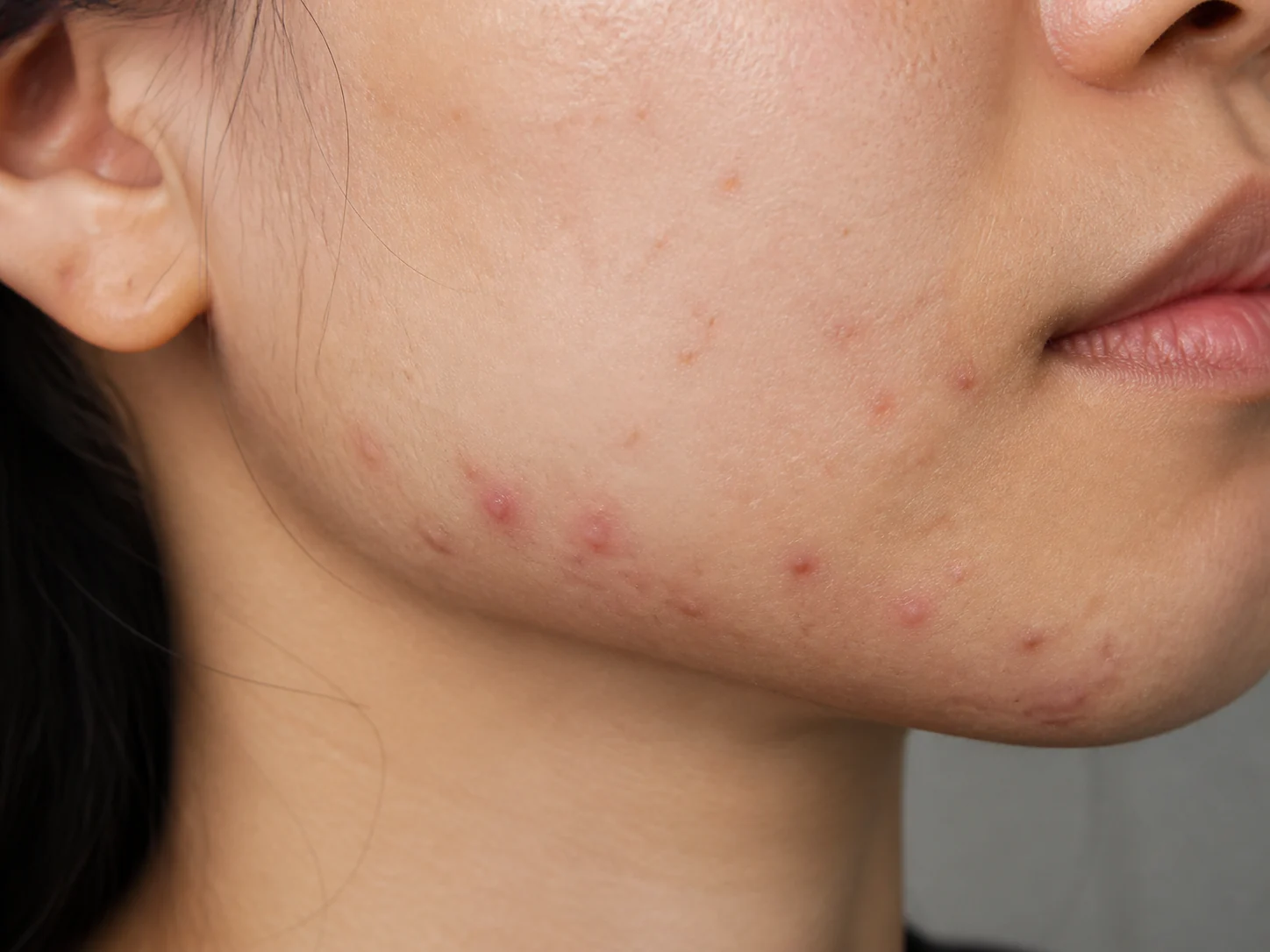
Adult Acne
Adult acne occurs when sebum increases and dead skin cells clog pores, acting together with acne-related bacteria and inflammation. In adulthood, hormonal changes, such as the menstrual cycle, periods before and after pregnancy or menopause, and the start or discontinuation of contraceptive pills, can be related to recurrent rashes on the chin and lower face. Chronic stress can worsen the condition through hormonal responses, and family history, pore-clogging cosmetics, hair products, and certain medications can also be causes. Rather than blaming a single food or cleansing habit, it is important to examine all changing factors together; do not arbitrarily stop new medications even if acne is suspected. If sudden severe acne occurs alongside other changes such as irregular menstruation or hirsutism, underlying medical conditions should be checked.
View condition guide →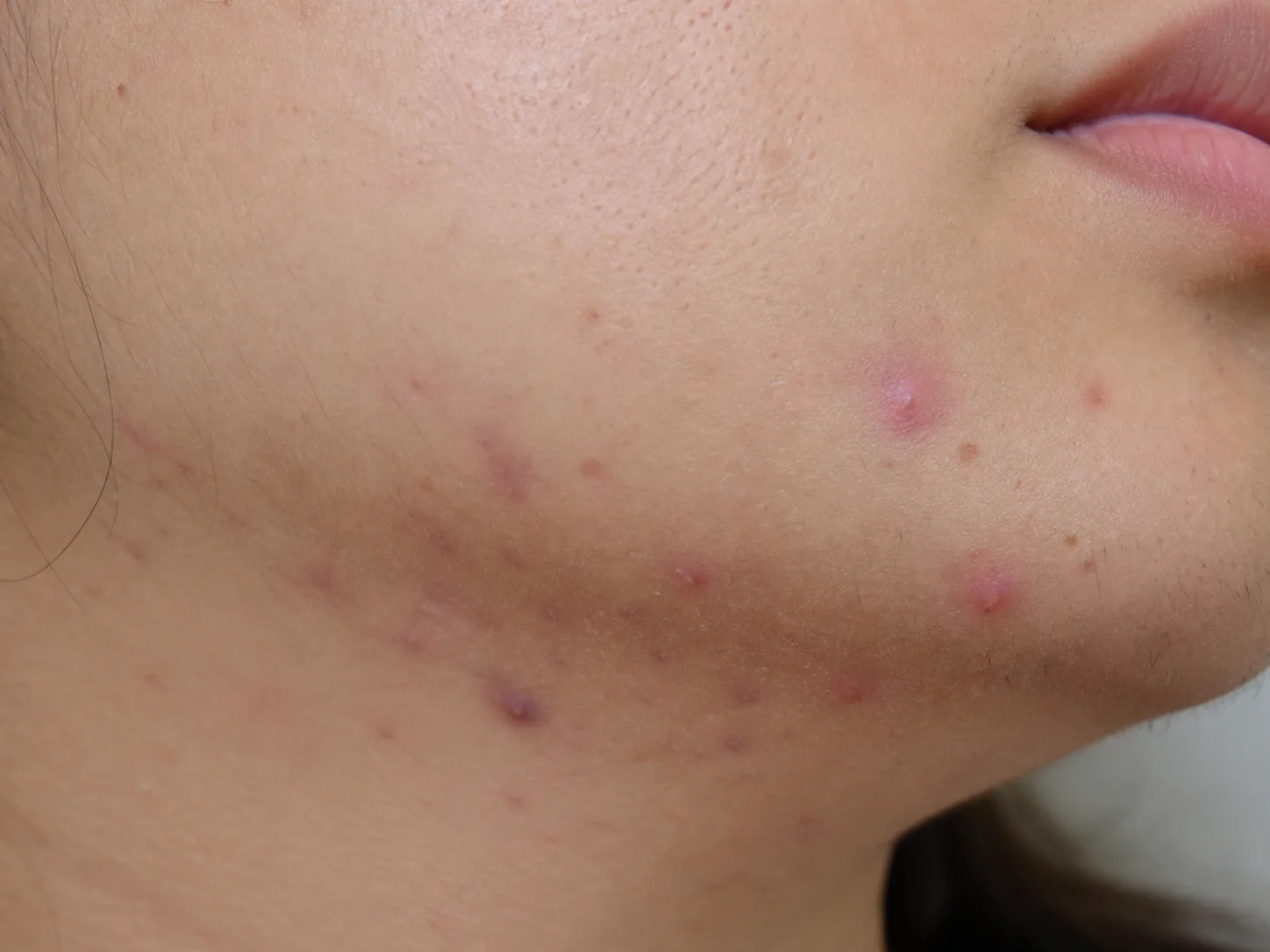
Jawline and Cyclical Acne
While the location of jawline acne alone cannot confirm a hormonal cause, deep inflammation that recurs around the menstrual cycle should be tracked by date and cycle. Record the number of papules and nodules on the chin and lower cheeks, the interval from the start of menstruation, and changes in sleep, stress, products, and medications for 4 weeks or more. If irregular menstruation, hirsutism, or hair loss are prominent, a medical evaluation will determine if it is necessary to check for causes such as androgen changes or Polycystic Ovary Syndrome (PCOS).
View condition guide →Discontinuation · Recurrence · Same location
Recurrence and New Inflammation After Treatment
For acne that decreased during treatment but returns after pausing treatment, we examine the sequence of new breakouts along with sebum, heat, sleep, digestion, and recovery conditions.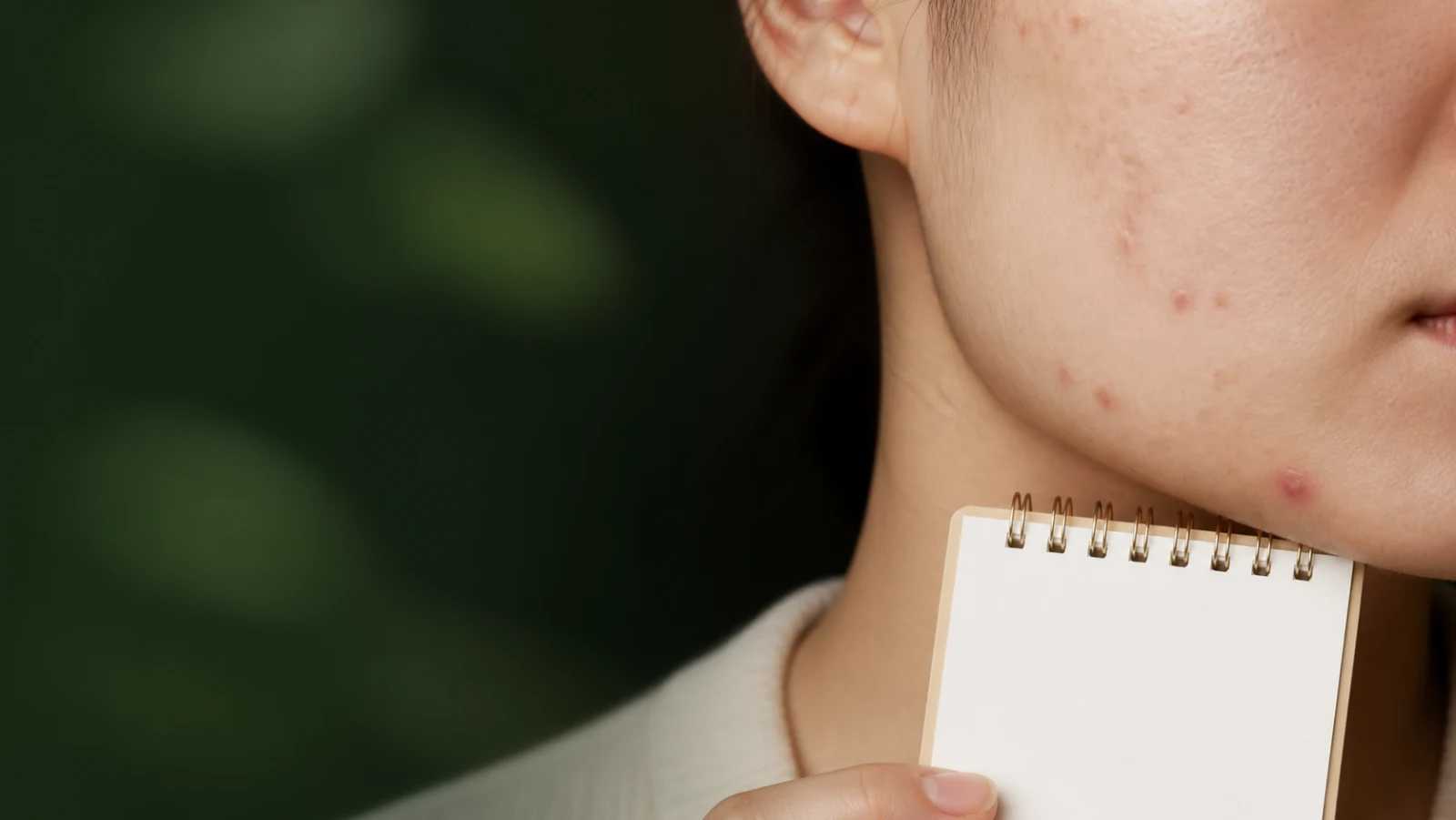
Erythema · Pigmentation · Atrophic scars · Hypertrophic scars
Red/Brown Marks and Scars
We categorize active inflammation, flat red/brown marks, atrophic (pitted) scars, and hypertrophic (raised) scars as separate conditions to determine the treatment sequence.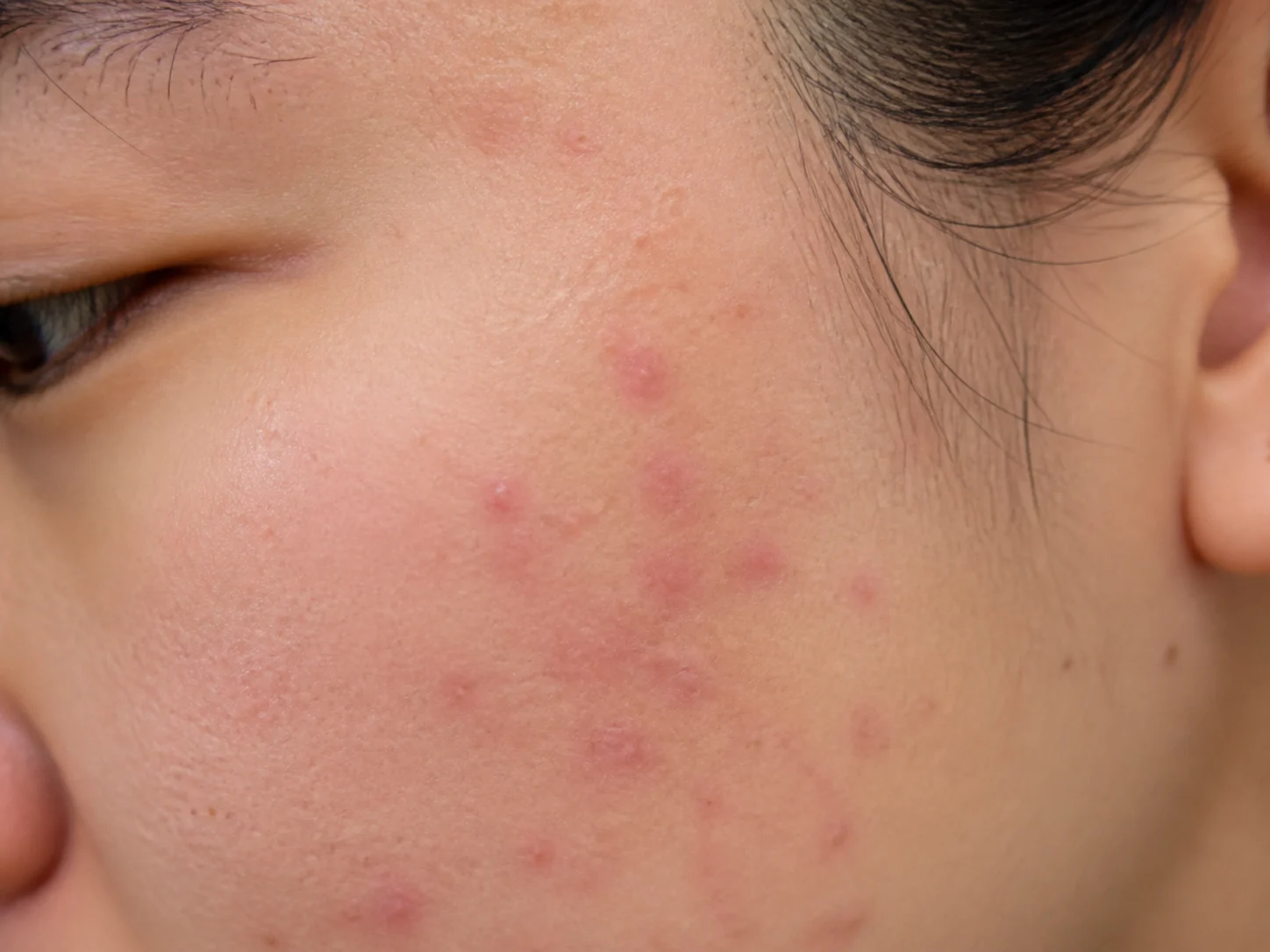
Post-acne Red Marks
Post-acne red marks may be post-inflammatory erythema, where vascular redness remains flat in the area where inflammation has subsided. It should be confirmed that it is not raised or painful to the touch and that pink or red tones are more central than brown. However, new papules/pustules, persistent redness across the entire face, or indented surface changes must be distinguished as active acne, rosacea, or scars, respectively.
View condition guide →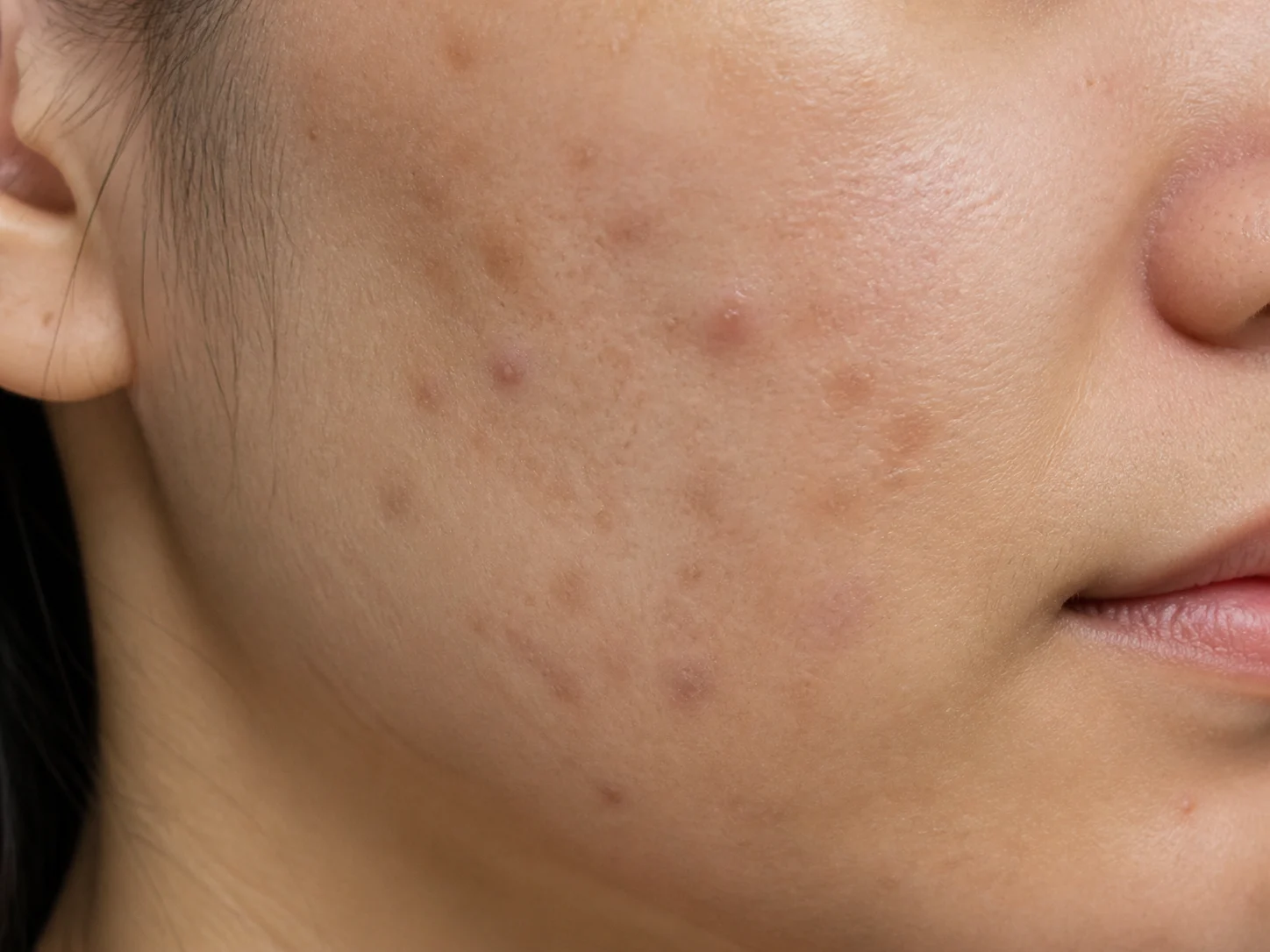
Post-acne Hyperpigmentation
Post-acne hyperpigmentation is a change where melanin increases in the area where inflammation has passed, leaving flat brown or grayish-brown spots. It differs from structural scars in that the skin surface is not indented or raised, and it is distinguished from post-inflammatory erythema, which is primarily pink or red. These marks may become darker and last longer if UV exposure, friction, extraction, and new inflammation recur.
View condition guide →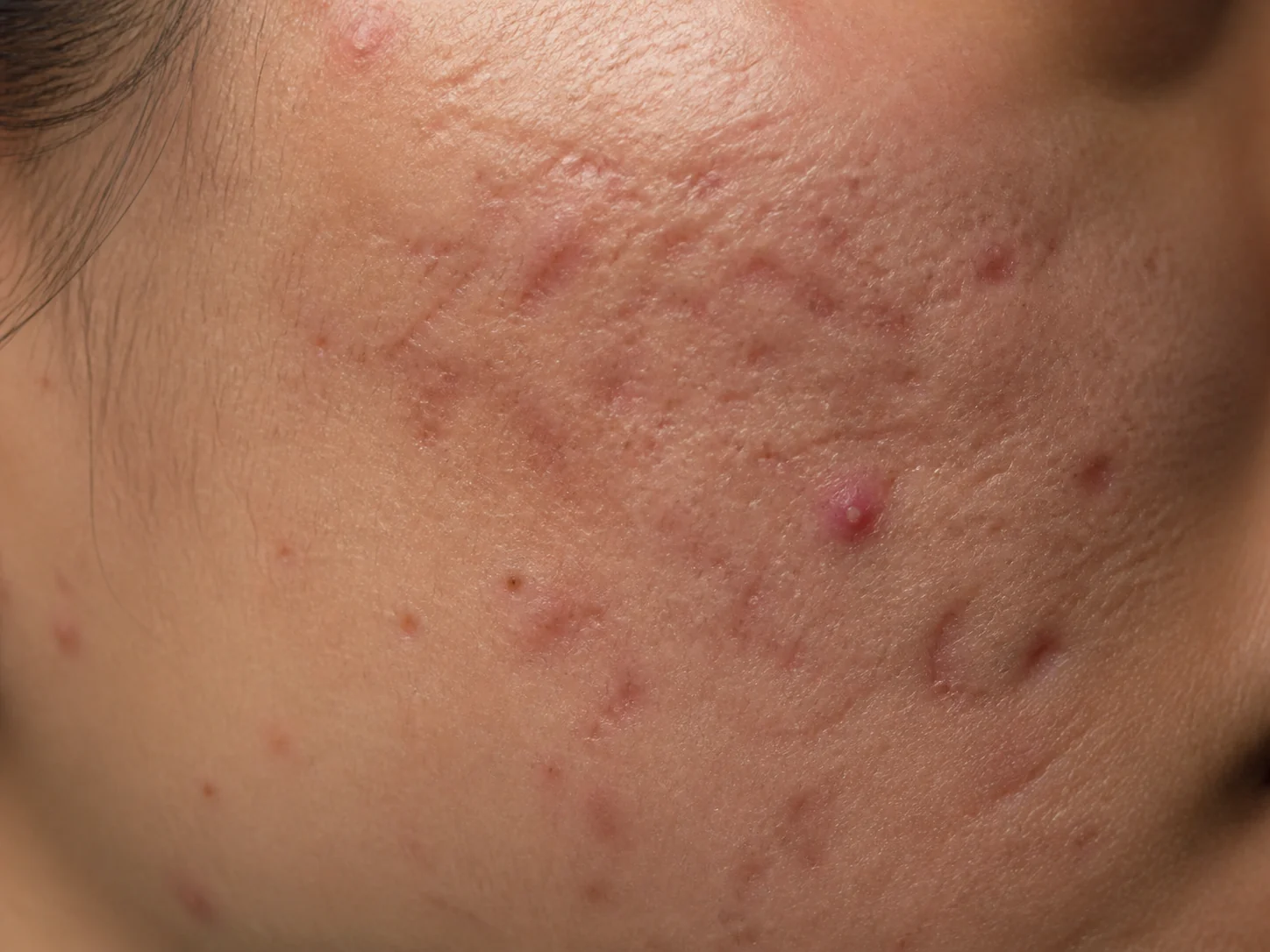
Acne Scars
Acne scar symptoms are divided into atrophic scars, where the skin is indented, and hypertrophic or keloid scars, which are firmly raised. Indented scars may be a mix of ice-pick (narrow and deep), boxcar (relatively distinct borders), and rolling (wide and wavy) types. Conversely, flat red or brown changes remaining after acne may be post-inflammatory erythema or hyperpigmentation and must be distinguished from scars where the structure has changed. If new acne continues to appear, or if there is pus, heat, rapid swelling, or if acne that looks like a scar grows rapidly or develops bleeding/ulceration, a dermatology evaluation is the first priority.
View condition guide →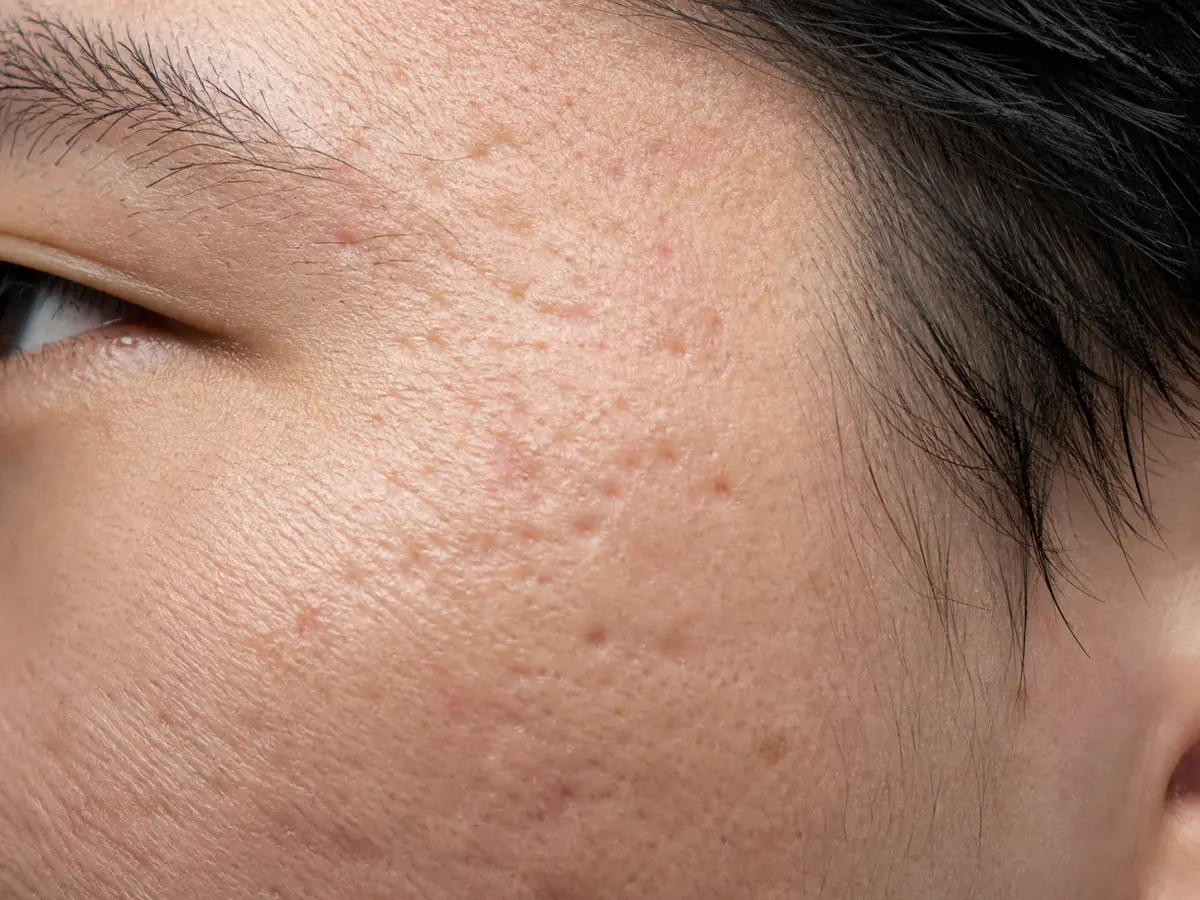
Atrophic Acne Scars
Atrophic acne scars are categorized into ice-pick scars (narrow and deep), boxcar scars (relatively angular borders), and rolling scars (wide and gently undulating); these types may be mixed in one area. If the surface is flat despite being red or brown, it may be post-inflammatory erythema or hyperpigmentation. Korean herbal medicine cannot guarantee that it will fill already recessed dermal structures; its role is to reduce the conditions for recurrent inflammation and recovery that create new scars, which is distinct from scar revision procedures.
View Condition Guide →Folliculitis · Rosacea · Perioral dermatitis
Other Rashes That Look Like Acne
When there are few comedones or when itching, widespread flushing, or small papules around the lip border are primary, we first distinguish between acne and other conditions.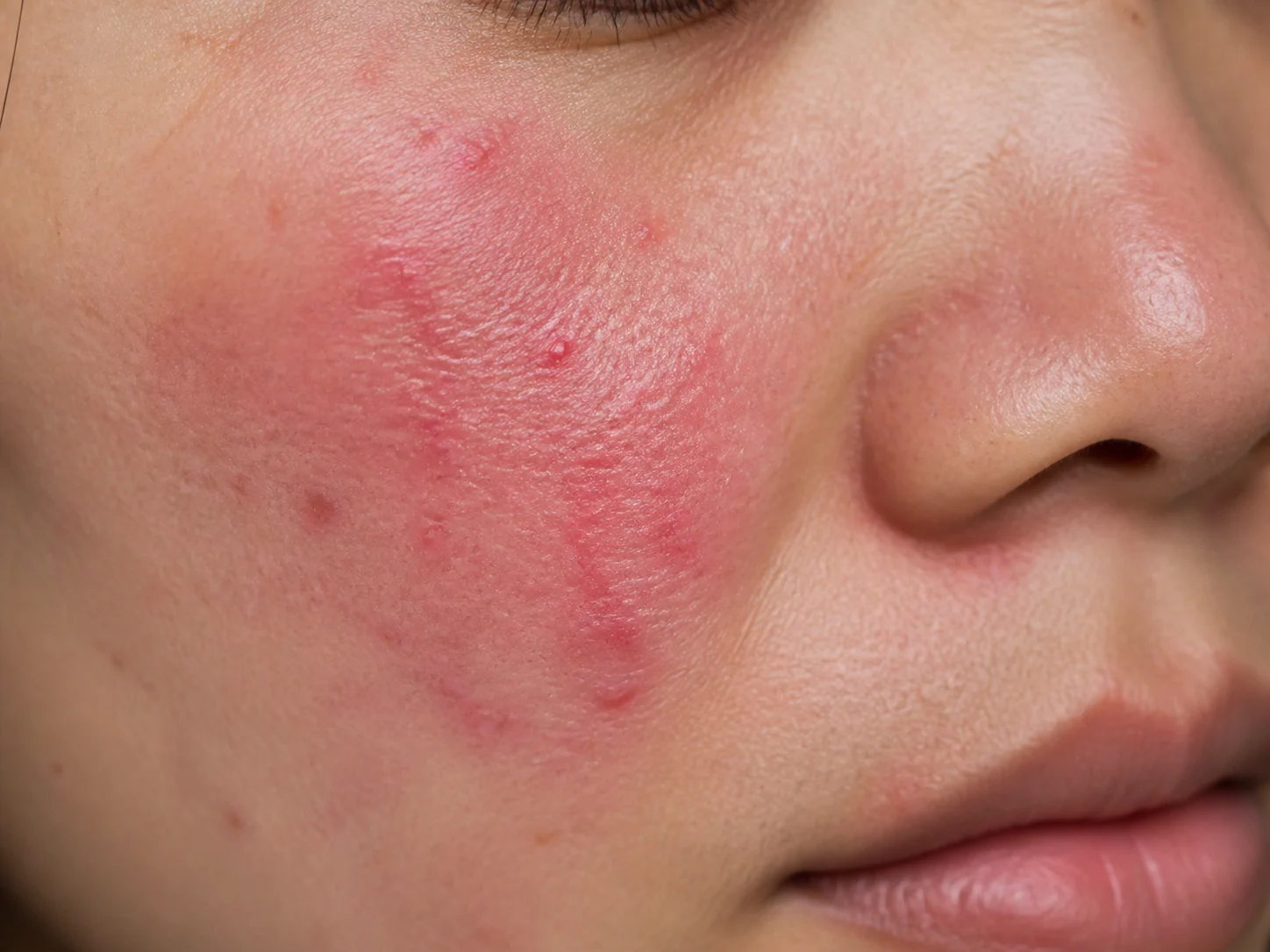
Acne vs. Rosacea and Facial Flushing
Acne involves a mix of comedones, such as blackheads and whiteheads, and skin changes of various depths. In contrast, rosacea is characterized by persistent redness, burning sensations, telangiectasia, and red papules centered around the nose and cheeks, often without distinct comedones. It is distinguished from facial flushing, which occurs briefly due to emotional changes or hot environments before subsiding, by the duration of the redness.
View Condition Guide →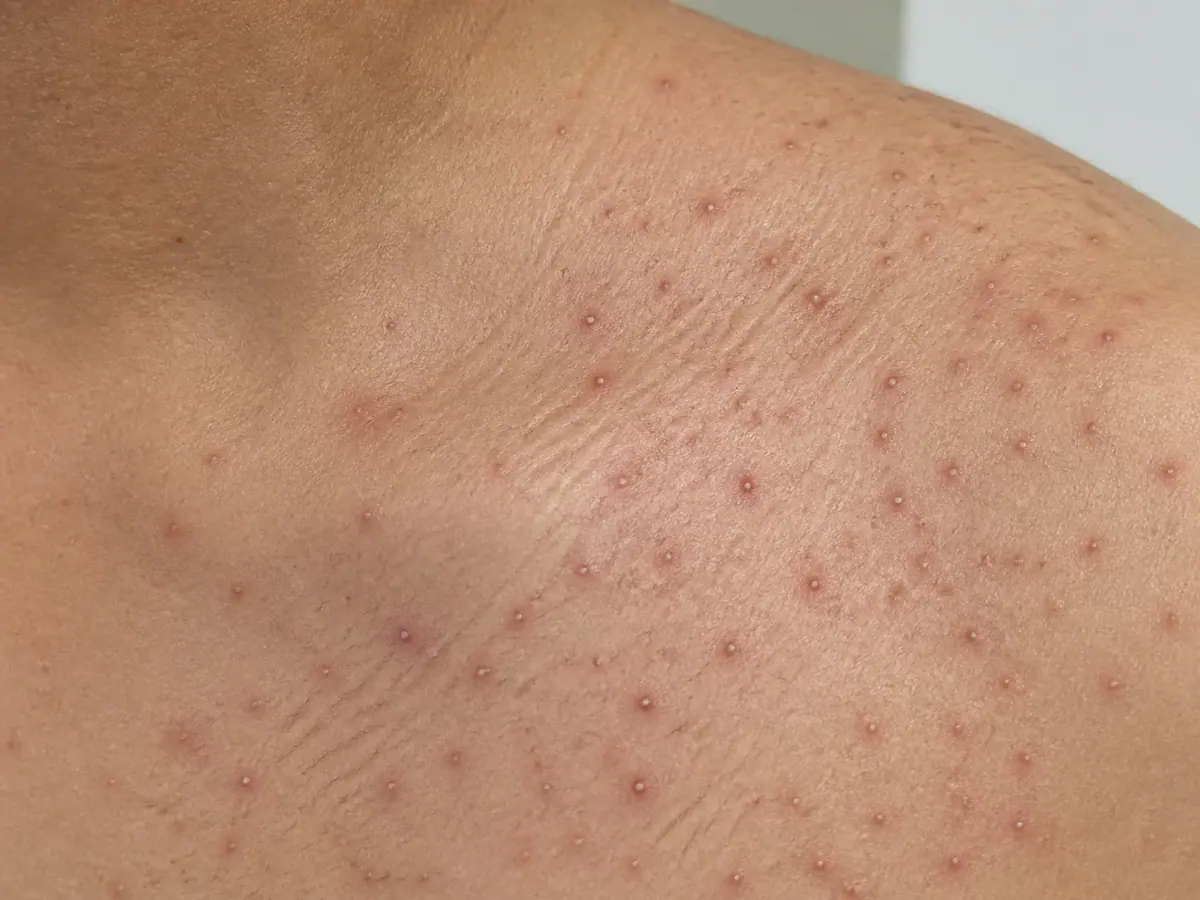
Folliculitis That Looks Like Acne
Folliculitis presents as red papules and pustules of similar size appearing simultaneously around the hair follicles, and itching may be prominent. Conversely, acne often involves a mix of comedones, such as blackheads and whiteheads, and skin changes of varying sizes and depths. Bacterial folliculitis and Malassezia folliculitis require different treatments, making them difficult to distinguish from a single photograph.
View Condition Guide →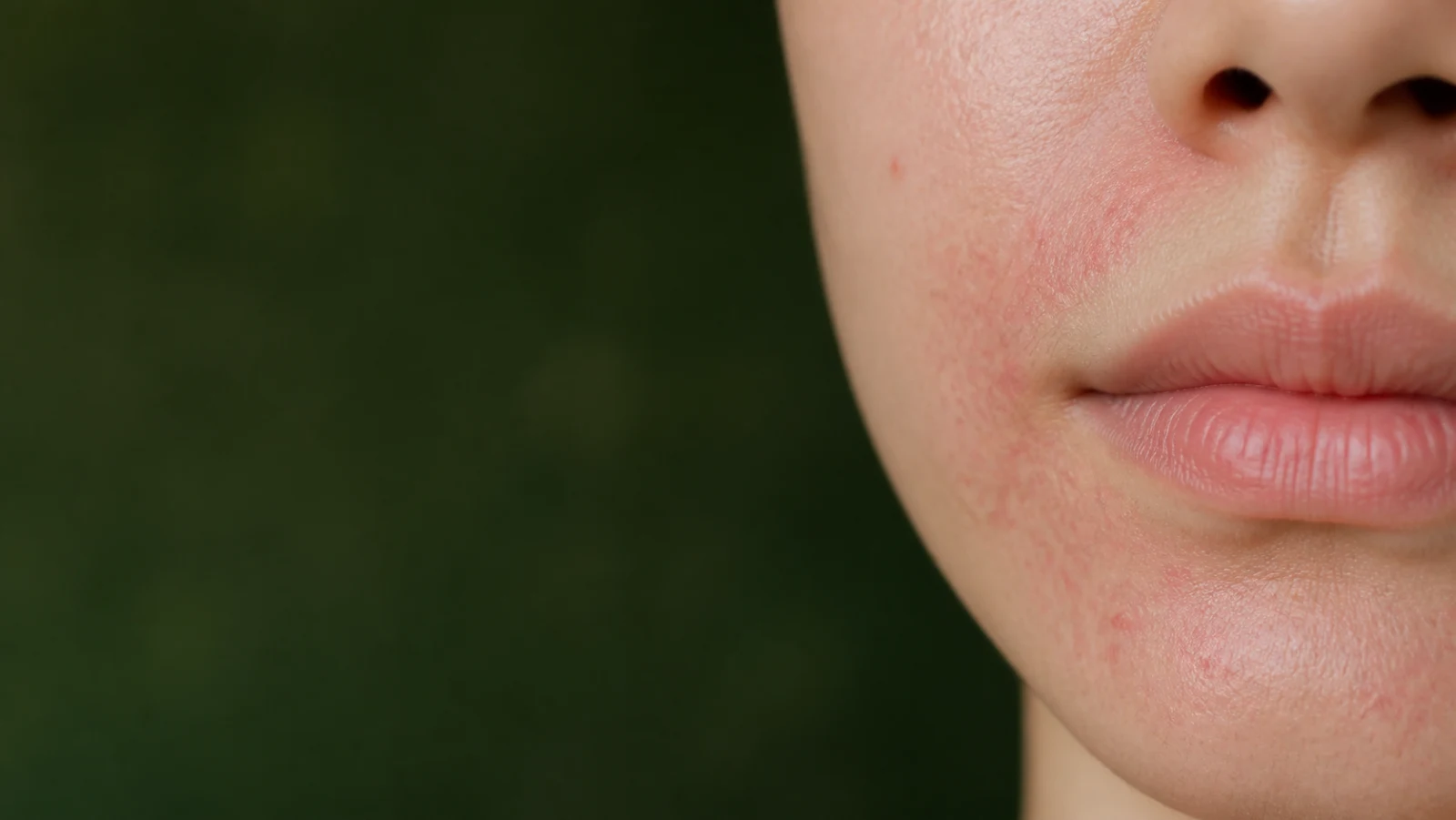
Perioral Dermatitis vs. Acne
Perioral dermatitis presents as similar small red papules spread around the mouth, sides of the nose, and around the eyes, slightly avoiding the immediate border of the lips, and may be accompanied by stinging or dryness. Even if it looks like acne, comedones are often not distinct, and the use of steroid ointments or cosmetics on the face is considered an important factor.
View Condition Guide →