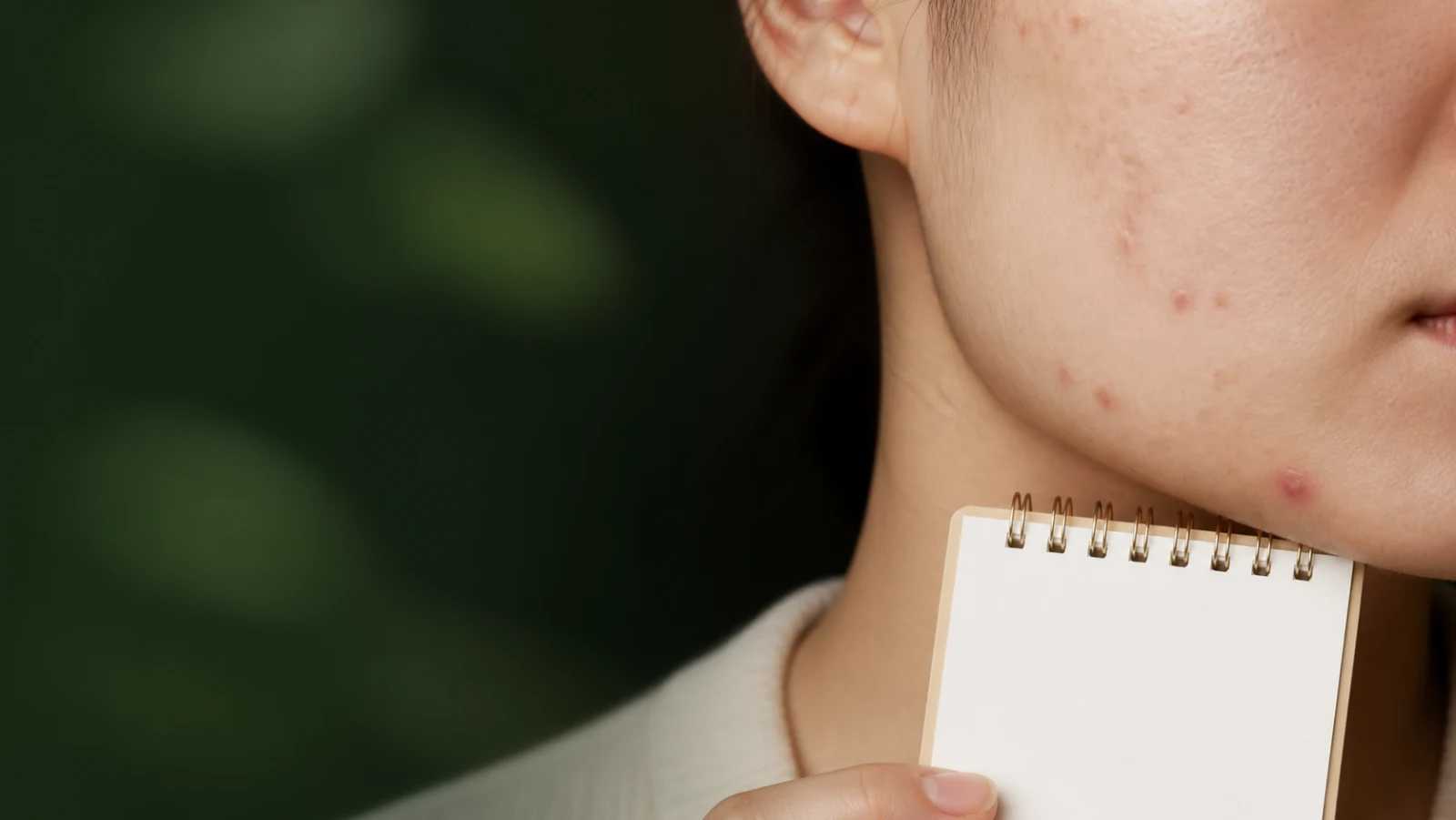
Acne recurrence after treatment: Read in the order of your curiosity
Before concluding based on a single red spot
Acne recurrence after treatment: Depth of symptoms and remaining marks
Acne is a chronic Recurrencecondition that requires maintenance care even after it improves. If it reappears after pausing treatment, rather than concluding the medication was bad, we examine whether comedones, sebum, or red inflammation returned first, as well as the timing of discontinuation, maintenance therapy, and changes in products, menstruation, or sleep. Korean herbal medicine treatment does not arbitrarily stop existing treatments, but rather specifies the body condition that fluctuates alongside recurring new inflammation and relapse.
Let's examine a case where acne has worsened
Why we look at the location of acne and the factors immediately preceding the change together
Rather than a single isolated incident, check if it recurs under the same conditions. For acne deep within the skin or changes affecting the entire body, first seek a medical evaluation from a dermatologist.
| Recurring Scenario | Factors to Consider | First Steps |
|---|---|---|
| Blackheads, whiteheads, and red pimples appearing together | Pores clogged by sebum and dead skin cells, leading to inflammation | Record the shape and location of acne and the number of new breakouts |
| Worsening during puberty, menstruation, or before/after pregnancy | The effect of hormonal changes on sebaceous glands | Record the cycle, timing of worsening, and other bodily changes |
| Recurrence on the forehead or hairline after using a new product | The effect of skin or hair products that clog pores | Check for 'oil-free' or 'non-comedogenic' labels and the area of contact |
| Sudden increase after starting a new prescription medication | The time relationship with certain medications | Do not stop medication arbitrarily; consult your prescriber |
| Increase in deep, painful nodules or the appearance of scars | Risk of severe inflammation and scarring | Prioritize diagnosis and treatment at a dermatology clinic |
When to seek medical evaluation first
Changes that require action beyond simply recording the cause
For the following changes, you must first check for the risk of scarring, other skin infections, drug reactions, or underlying medical conditions.
- Cases where deep, painful nodules increase rapidly or scarring begins to occur
- If redness, heat sensation, or swelling spreads rapidly across the face and is accompanied by a fever
- If widespread rashes, mouth sores or peeling, facial swelling, or difficulty breathing occur after starting a new medication
- If sudden severe adult acne occurs alongside other changes such as irregular menstruation or hirsutism (excessive hair growth)
- If acne disrupts daily life or leads to thoughts of self-harm
New inflammation that returns when pausing treatment
If it has recurred, we examine what returned first
comedones·We determine the priority of Korean herbal medicine treatment by linking whether sebum or deep inflammation returns first with menstruation, sleep, digestion, and body heat.
Criteria for reviewing previous treatment records first
Understanding the effects, side effects, and the timing of recurrence after discontinuation helps reduce unnecessary repetition of treatments.
Categorizing by lung stomach heat, damp-heat, and imbalance of Chong and Ren vessels
The pattern identification varies depending on whether sebum and suppuration appear first, or whether periodic inflammation along the jawline appears first.
Criteria for viewing the symptom-free period as a treatment result
We observe whether new inflammation is fewer and shallower, and whether the interval between recurrences is lengthening.
Treatment GoalWe aim to reduce the speed and depth of new acne formation and extend the symptom-free period after treatment.
Consult using photos of recurrent acne 7 days after treatment and records of new acne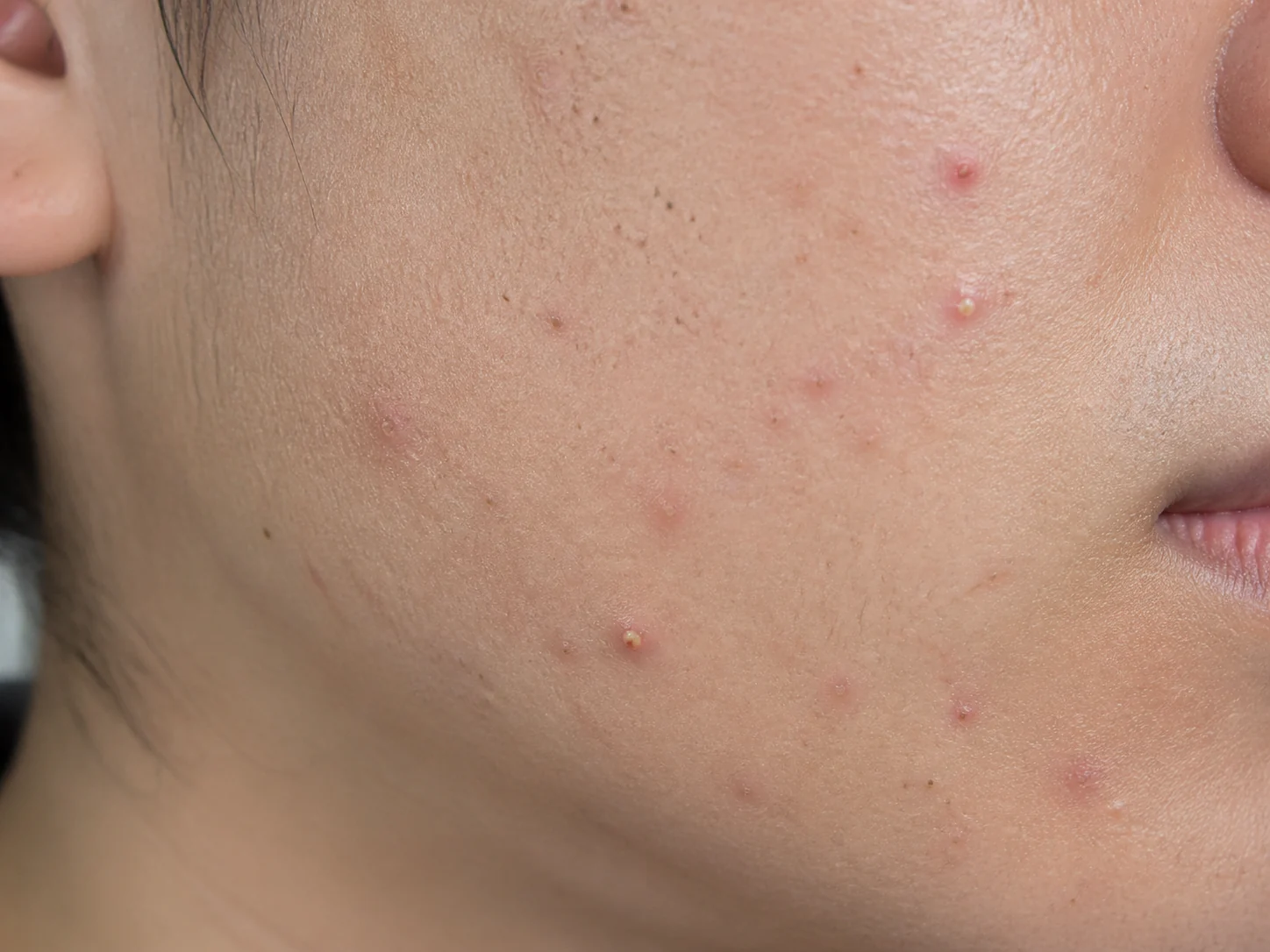
Since comedones, papules, and pustules can appear together on one face, we examine the deepest acne and the rate at which new ones form together.
Educational reproduction images and simplified diagrams of the process do not represent actual patient photos or treatment results.If you have had these experiences
For those whose symptoms return in the same sequence a few weeks after stopping medication
Comedones ·Sebum·We determine the priority of Korean herbal medicine treatment by linking which type of deep inflammation returns first with menstruation, sleep, digestion, and body heat.
For those who develop comedones and inflammation again after using antibiotics, isotretinoin, or topical medications
When symptoms improved during treatment but recurred in the same sequence after discontinuation
For those whose symptom-free period shortens as treatments are repeated
When the symptom-free period becomes shorter despite repeating various treatments
For those who wish to set Korean herbal medicine treatment goals by recording what returns first
When you wish to simultaneously regulate the recurrence conditions of the skin, menstruation, sleep, and digestion
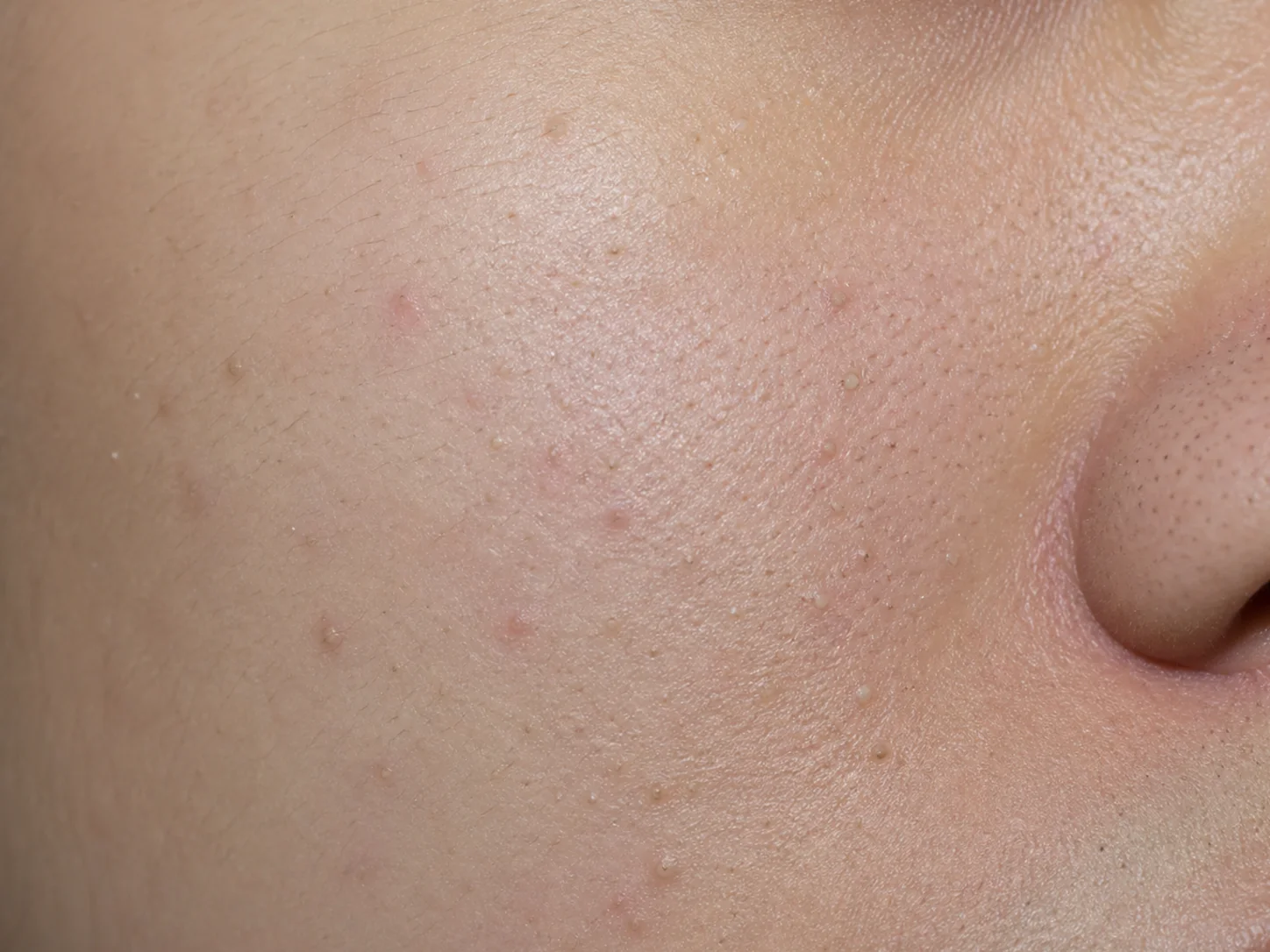
Even if there is almost no redness, small bumps may appear continuous depending on the direction of the light. Rather than pushing hard, we check for changes following stimulation.
This is how we examine during the medical evaluation
Recurrent acne after treatment, depth of symptoms, and remaining marks
Acne is a chronic recurrent condition that requires maintenance care even after improvement. If it reappears after pausing treatment, rather than concluding the medication was ineffective, we look at whether comedones, sebum, or red inflammation returned first, and the timing of discontinuation Maintenance treatment, we observe changes in products, menstruation, and sleep. Korean herbal medicine treatment does not arbitrarily stop existing treatments, but rather specifies the body's condition that fluctuates alongside recurring new inflammation and relapses.
Deep nodules, scarring, and other rashes are screened first
We check the depth and pain of the acne, the speed of scarring, redness, and heat, as well as symptoms appearing throughout the body, to ensure necessary dermatological care is not delayed.
Aligning the timing of hormones, products, and medications
The location and start date of acne, hormonal changes, new products, and all medications are compared within the same record.
Clear goals are set for herbal medicine treatment for recurring acne
Korean herbal medicine treatment aims for the speed and depth of new acne formation, the interval of recurrence in the same area, and the recovery of the skin barrier. However, regarding the possibility of pregnancy, the safety of oral medications, and those that deepen quickly nodulesand scarring, the dermatology clinic continues to take primary ownership; once those boundaries are settled, Baekrokdam takes over the recurring relapse patterns.
Reasons Why It Does Not Heal Easily
Recurrent acne after treatment: why new acne continues to appear even after one is subsided
We determine the priority of Korean herbal medicine treatment by connecting whether comedones, sebum, or deep inflammation return first with menstruation, sleep, digestion, and body heat.
Criteria for first reviewing previous treatment records
We must understand the effects, side effects, and the timing of recurrence after discontinuation to reduce unnecessary repetition.
Categorizing into lung excess heat, damp-heat, and Chong-Ren imbalance
Depending on whether sebum and suppuration come first, or periodic inflammation along the jawline comes first, pattern identificationthe approach differs.
Criteria for viewing a period of comfort as a treatment result
We observe whether new inflammation is fewer and shallower, and whether the interval between recurrences becomes longer.
Using photos as medical records
Recurrent acne after treatment: comparing 7-day changes using photos with the same lighting
If you prepare acne photos, start dates/locations, hormonal changes, new skin or hair products, all prescription medications/supplements, and patterns of recurring flare-ups, Baekrokdam can provide a detailed discussion on how Korean herbal medicine treatment can help.
Comedones first
We observe whether skin texture and tiny bumps increased first, followed by inflammation.
Deep inflammation immediately
We check if nodules on the jaw or cheeks appeared first without changes in comedones.
Sebum and heat sensation
We record when oiliness and redness returned after the treatment was discontinued.
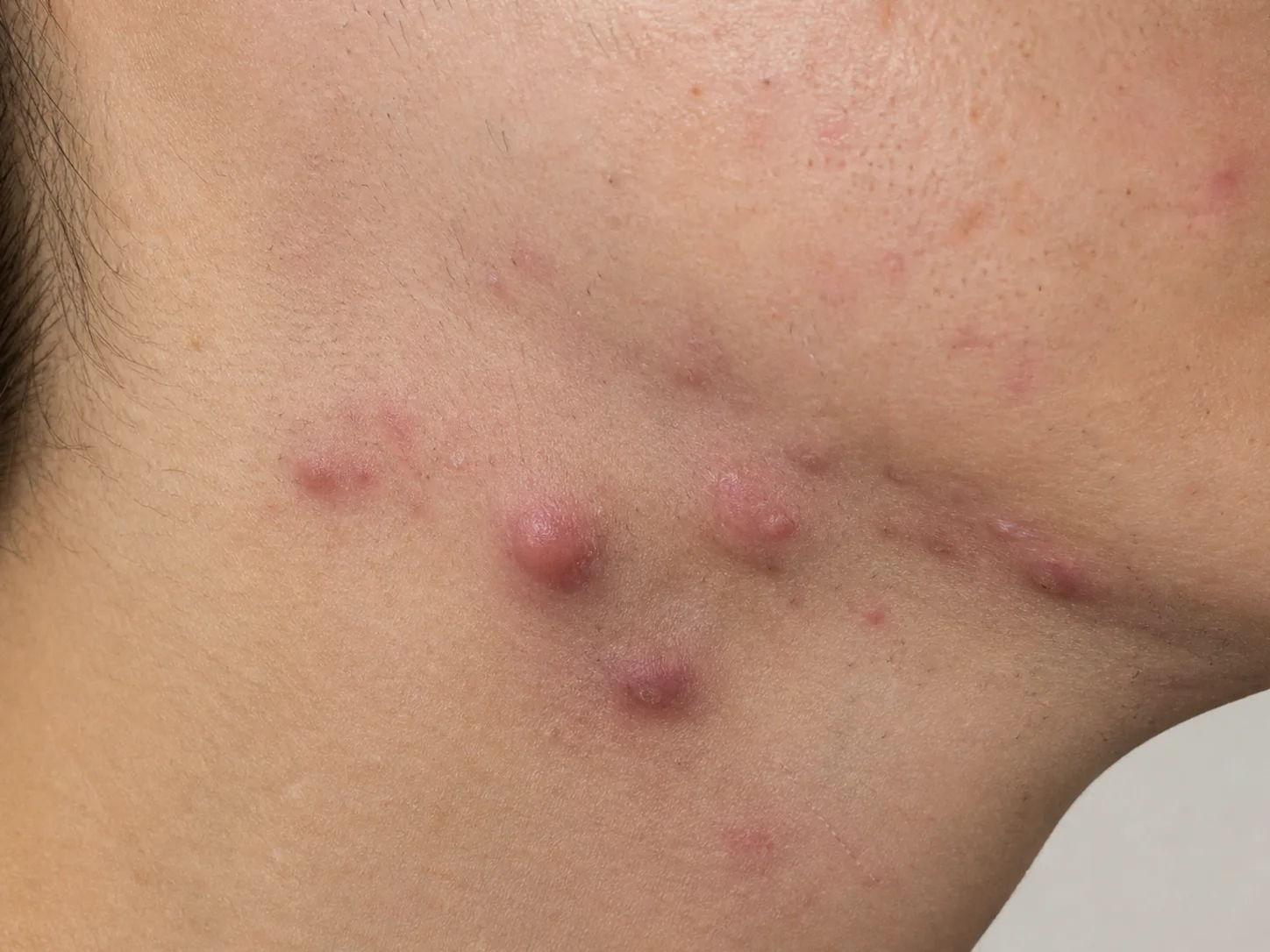
If acne that feels wider and deeper than surface red spots persists, prioritize a dermatology evaluation before scarring occurs.
Herbal medicine pattern identification for recurrent acne after treatment
Why prescriptions for recurrent acne after treatment differ based on sebum, heat, dryness, and menstruation
We identify the factor most involved in the recurrence by checking which type of acne returned first after treatment stopped, and what changed in sleep, menstruation, and digestion around that time.
When sebum and comedones on the upper face return first
After oiliness and comedones on the forehead and cheeks, redness papuleWe examine the condition. We check for worsening after upper body heat, thirst, or feeling hot. We focus on Cheongpye and Cheongwi to reduce sebum and upper body heat.
When pustules increase after late-night snacks or constipation
Cheeks and chin pustulesWe check if pustules and sebum increase after digestive strain. We ask about bloating, constipation, and dry mouth. We simultaneously reduce damp-heat in the stomach and intestines and skin inflammation.
When jaw nodules return first before menstruation
We check if deep acne along the jawline recurs around the menstrual period, and if menstrual pain and swelling also worsen during the same time. If this pattern is clear, we emphasize Jogyeong and Hwalhyeol to regulate the cycle and the flow of Qi and blood.
Changes to monitor during treatment
Changes to check in next week's photos
We reduce the speed and depth of new acne formation and extend the period of comfort after treatment.
Treatment start/stop and recurrence dates
Please take photos under the same lighting for 7 days and also record the 'treatment start/stop and recurrence dates'.
Comedones, sebum, or inflammation that returned first
Please take photos under the same lighting for 7 days and also record the 'comedones, sebum, or inflammation that returned first'.
Changes in menstruation, sleep, diet, and product use
Please take photos under the same lighting for 7 days and also record the 'changes in menstruation, sleep, diet, and product use'.
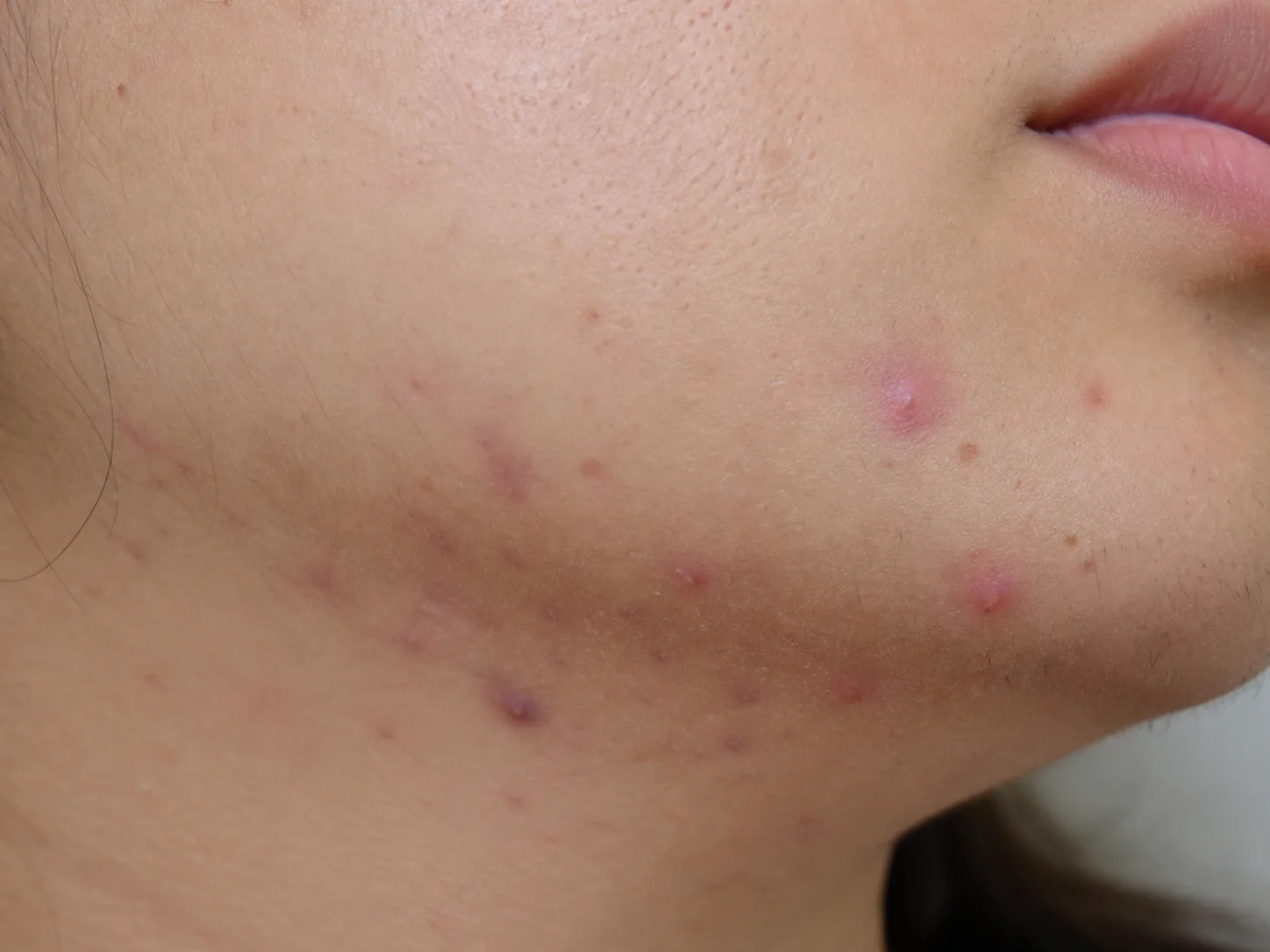
If new acne and fading marks overlap in one area, it is more helpful to correlate the dates of occurrence with menstruation, sleep, or product changes than to look at the location alone.
At the crossroads of sebum, heat, and recovery speed
Recurrence after treatment is categorized into lung-stomach heat, gastrointestinal damp-heat, or Chungim-buljo (imbalance of the Chong and Ren vessels)
We identify the primary factor contributing to recurrence by checking which type of acne returned first after treatment stopped and what changed in sleep, menstruation, or digestion around that time.
Pattern identification (Byeonjeung) is not about assigning a single constitution name to acne. The priority of the prescription changes depending on the connection between comedones, inflammation, heat sensation, sebum, delayed recovery, and menstruation, sleep, and digestion.
When sebum and upper face comedones return first
- Changes observed in acne
- We examine oiliness on the forehead and cheeks, and red papules following comedones.
- Accompanying changes observed in the body
- We check for worsening after upper body heat, thirst, or feeling hot.
- Prescription priority
- We focus on Cheongpye and Cheongwi to reduce sebum and upper body heat.
When pustules increase after late-night snacks or constipation
- Changes observed in acne
- We check if pustules and sebum on the cheeks and chin increase after digestive strain.
- Accompanying changes observed in the body
- We ask about bloating, constipation, and dry mouth.
- Prescription priority
- We simultaneously reduce damp-heat in the stomach and intestines and skin inflammation.
When jaw nodules return first before menstruation
- Changes observed in acne
- We check if deep inflammation along the jawline recurs periodically.
- Accompanying changes observed in the body
- We check if acne, menstrual pain, and swelling repeatedly worsen together before and after menstruation.
- Prescription priority
- The focus is on regulating the menstrual cycle and blood flow (Jogyeong and Hwalhyeol).
When skin is dry and sensitive, but inflammation and marks persist
- Changes observed in acne
- We observe the time it takes for tightness, flaking, and redness around recurring acne to subside after treatment.
- Accompanying changes observed in the body
- We check if new acne becomes deeper following lack of sleep, nighttime heat sensations, dry mouth, or fatigue.
- Prescription priority
- Rather than only lowering heat, we increase the focus on supplementing bodily fluids and supporting skin recovery.
Order of prescription adjustment
- Establish a treatment timeline and the sequence of recurrence
We do not start by unconditionally changing the medication.
- Determine the dominance of sebum, damp-heat, or cycle
We check if there were any changes in sleep, menstruation, or digestion around the time the acne first reappeared.
- Criteria for adjusting to a comfortable period
We check the number of weeks until the next recurrence and the depth of the acne.
Why consider Korean herbal medicine treatment now?
- When symptoms improved during treatment but recur in the same sequence after stopping
- When the comfortable period becomes shorter despite repeating various treatments
- When you wish to simultaneously manage the recurrence conditions of the skin, menstruation, sleep, and digestion
What is evaluated in herbal medicine treatment for this condition
- Dates of treatment start, discontinuation, and recurrence
- Which appeared first: comedones, sebum, or inflammation
- Changes before and after menstruation, sleep, diet, or product use
Deep nodules, scarring, and other rashes are screened first
We check the depth and pain of the acne, the speed of scarring, redness, and heat, as well as symptoms appearing throughout the body, to ensure necessary dermatological care is not delayed.
Aligning the timing of hormones, products, and medications
The location and start date of acne, hormonal changes, new products, and all medications are compared within the same record.
Clear goals are set for herbal medicine treatment for recurring acne
Herbal medicine treatment aims to reduce the speed and depth of new acne, the interval of recurrence in the same spot, and to restore the skin barrier. Whether to combine this with necessary dermatological treatment is decided based on current inflammation and medications.
Things to prepare before the consultationIf you prepare acne photos, start dates and locations, hormonal changes, new skin or hair products, all prescription drugs and supplements, and details of recurring flare-ups, we can discuss specifically how herbal medicine treatment can help during your consultation.
Deep nodules, widely spreading infections, and rapidly forming scars must be checked at a dermatology clinic without delay. For already pitted scars, separate procedures should be considered; Korean herbal medicine treatment examines the patterns of recurring new inflammation and the state of sleep, digestion, and menstruation that slow down skin recovery.
Consult about the progress of recurring acne after treatmentAcne Glossary
Additional information to know regarding recurring acne after treatment
You can check simple definitions before proceeding to detailed explanations.Frequently Asked Questions
Frequently Asked Questions about recurring acne after treatment
Do I still need a consultation at Baekrokdam even if I am receiving dermatology treatment?
The dermatology clinic must first continue to monitor the risk of deep nodules and scars, as well as medication safety. Once those boundaries are established, you can record which types of acne return first when you pause medication, and how sleep, digestion, and menstruation fluctuate together; this allows Baekrokdam to further specify the recurrence intervals and recovery goals.
What is the primary cause of acne?
Sebum and skin cells poreblock the pore, followed by a process where bacteria and inflammation are added. Risk contexts such as hormones, family history, medications, and products overlap differently for each person.
Will acne disappear if I stop eating chocolate or drinking milk?
While the link between certain diets and worsening symptoms is being researched, a single specific food is not the cause for everyone. Record reactions that recur for you, but it is difficult to view one single food as the sole cause.
Does stress cause new acne?
Stress can worsen acne for some people, but it is not established as the sole cause. Hormones, sleep, and changes in products are also considered.
If I think it was caused by medication, can I stop taking it immediately?
Do not stop taking medication arbitrarily. Show the prescriber the name of the medication, the start or change date, and photos of the acne to discuss the correlation and safe alternatives.
Will it improve if I only eat foods that are good for acne?
A single specific food does not cure acne, nor is the same diet required for everyone. Acne is caused by the combined action of several factors, including sebum, dead skin cells,Hair follicleinflammation, and hormones. Record whether acne repeatedly worsens after eating certain foods, but prioritize standard skin treatments and a balanced diet over excessive restrictive dieting.
Can't I just keep applying antibiotic ointment?
Long-term use as a standalone treatment resistance carries risks, so it is used in combination with agents such as BPO and for a limited duration. After improvement, consult about non-antibiotic maintenance therapy.
When do retinoids show results?
There may be initial irritation, and changes take time. Use consistently as prescribed, and typically compare photos to evaluate the response after 8 to 12 weeks.
Evidence and Update Information
This content was compiled by Korean medicine doctor Choi Yeon-seung based on the official professional materials and disease-specific clinical data below, and was updated on 2026-09-02.
- NIAMS: AcneEvidence regarding the process of pore clogging by sebum and skin cells, bacterial and inflammatory action, and the influence of hormones, family history, certain medications, and aggravating factors
- American Academy of Dermatology: Adult acneEvidence regarding the context of hormonal fluctuations, stress, family history, skin and hair products, certain medications, and underlying diseases
- AAD: Updated Guidelines for Acne ManagementEvidence for combined treatment with topical retinoids and BPO, limiting the duration of antibiotics and combining them with BPO, and the use of isotretinoin for severe cases or treatment failure
- AAD: Acne Diagnosis and TreatmentPatient guidance evidence for topical and oral medications by acne type, and the combination of BPO and retinoids to reduce antibiotic resistance
- FDA: iPLEDGE Isotretinoin REMSOfficial basis for the risk of embryotoxicity and fetotoxicity of isotretinoin and risk management procedures for pregnancy prevention and testing
- American Academy of Dermatology: Acne overviewDistinction between comedones, papules, pustules, nodules, and cysts, and the risk of scarring from deep-seated acne