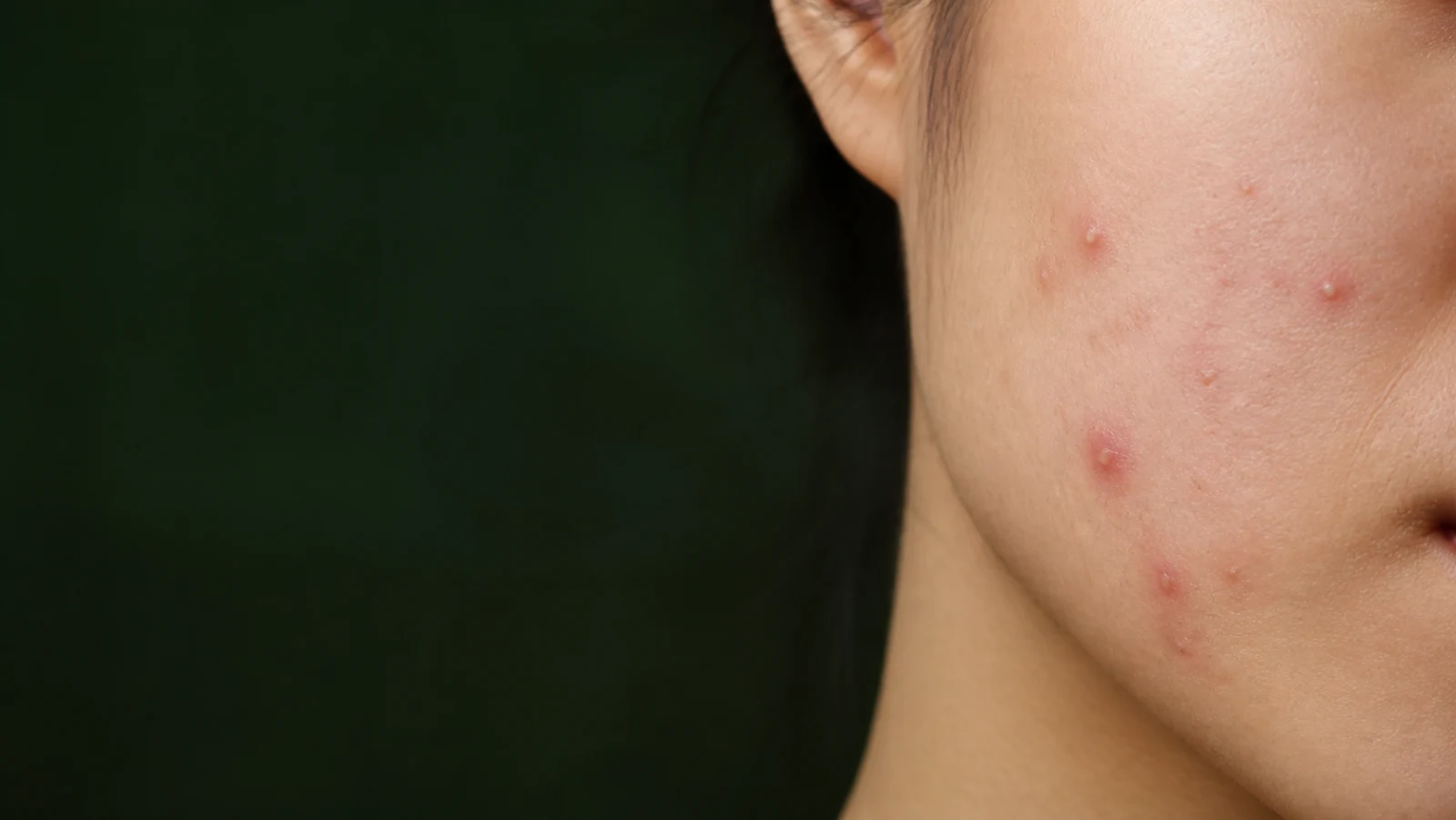
Inflammatory Acne: Read in order of your curiosity
Before grouping all red acne together
Papules, pustules, and nodules differ in depth and scarring risk
inflammatory acneThis is a pattern where inflammation occurs inside clogged pores, resulting in red papules and pustules; if it deepens, hard and painful nodules or cysts may form. Rather than just counting the number of acne spots, we look at the ratio of comedones to inflammation, the number of deep and painful acne spots, and the risk of inflammation and scarring that developed over a week.
Let's examine a case where acne has worsened
Why we look at the location of acne and the factors immediately preceding the change together
Rather than a single isolated incident, check if it recurs under the same conditions. For acne deep within the skin or changes affecting the entire body, first seek a medical evaluation from a dermatologist.
| Recurring Scenario | Factors to Consider | First Steps |
|---|---|---|
| Blackheads, whiteheads, and red pimples appearing together | Pores clogged by sebum and dead skin cells, leading to inflammation | Record the shape and location of acne and the number of new breakouts |
| Worsening during puberty, menstruation, or before/after pregnancy | The effect of hormonal changes on sebaceous glands | Record the cycle, timing of worsening, and other bodily changes |
| Recurrence on the forehead or hairline after using a new product | The effect of skin or hair products that clog pores | Check for 'oil-free' or 'non-comedogenic' labels and the area of contact |
| Sudden increase after starting a new prescription medication | The time relationship with certain medications | Do not stop medication arbitrarily; consult your prescriber |
| Increase in deep, painful nodules or the appearance of scars | Risk of severe inflammation and scarring | Prioritize diagnosis and treatment at a dermatology clinic |
When to seek medical evaluation first
Changes that require action beyond simply recording the cause
For the following changes, you must first check for the risk of scarring, other skin infections, drug reactions, or underlying medical conditions.
- Cases where deep, painful nodules increase rapidly or scarring begins to occur
- If redness, heat sensation, or swelling spreads rapidly across the face and is accompanied by a fever
- If widespread rashes, mouth sores or peeling, facial swelling, or difficulty breathing occur after starting a new medication
- If sudden severe adult acne occurs alongside other changes such as irregular menstruation or hirsutism (excessive hair growth)
- If acne disrupts daily life or leads to thoughts of self-harm
Acne where new inflammation occurs while existing spots are subsiding
New inflammation that continues to appear rather than acne that is subsiding
Instead of only lowering heat, we analyze the connection between sebum,comedonesdeep inflammation, delayed recovery, and digestion, sleep, and menstruation to set the goals for Korean herbal medicine treatment.
Distinguishing between papules, pustules, and nodules
The risk of scarring and treatment priorities are adjusted based on the ratio of surface inflammation to deep, painful acne.
Distinguishing between stomach-intestinal damp-heat and yin-deficiency internal heat
We examine whether sebum, suppuration, and post-meal bloating are prominent, or if deep inflammation persists following dryness and lack of sleep.
Why we monitor both the number of new acne breakouts and the recovery speed
We check the number of acne breakouts that occurred over a week and the time it takes for marks to remain.
Treatment GoalWe aim to reduce the speed and depth of new inflammation and shorten the duration of pain and remaining marks.
Consult using 7-day photos and the number of new acne breakouts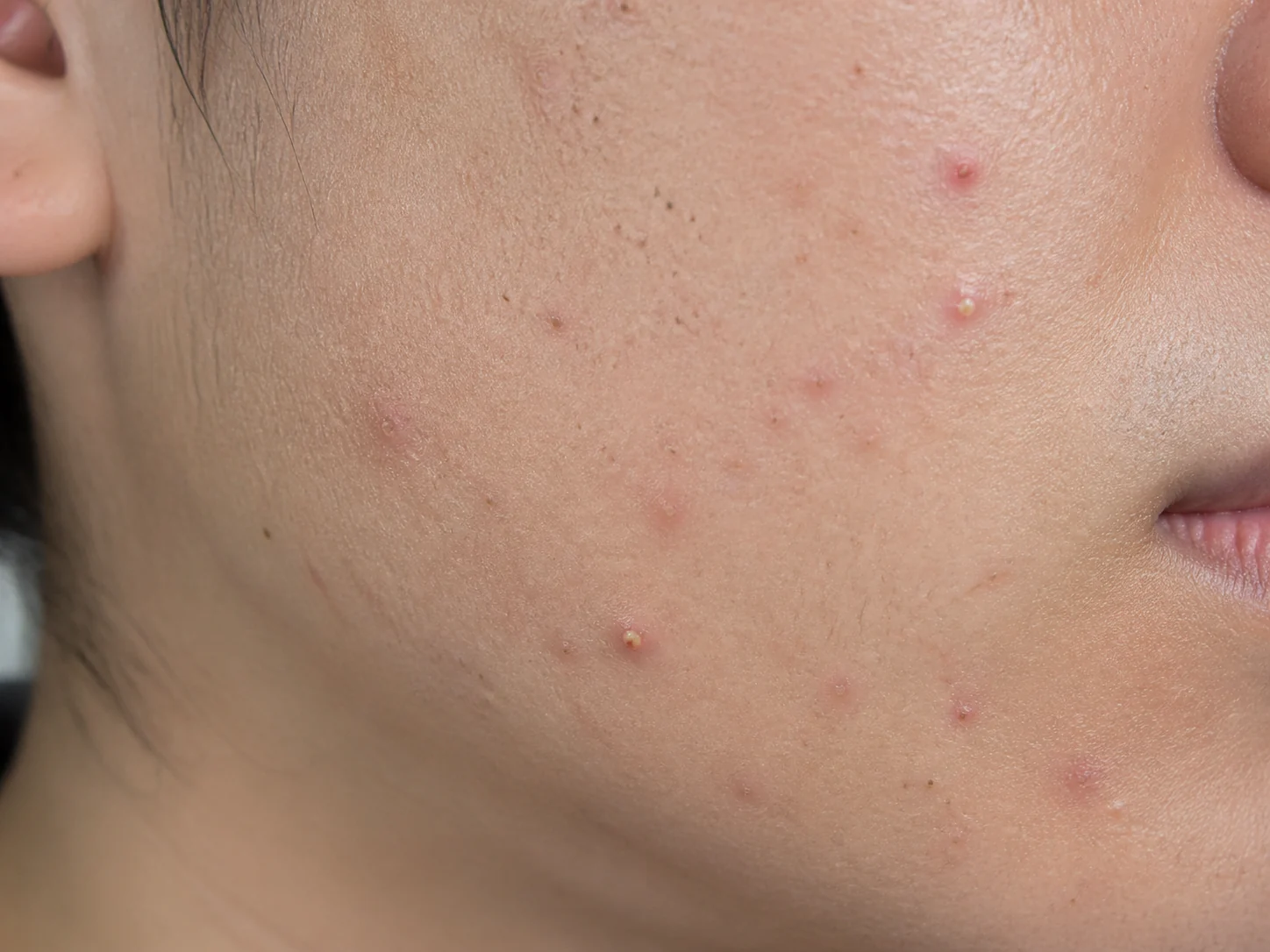
Since comedones, papules, and pustules can appear together on one face, we examine the deepest acne and the rate at which new ones form together.
Educational reproduction images and simplified diagrams of the process do not represent actual patient photos or treatment results.A week that feels endless
Today's inflammation appears before yesterday's has subsided
Red marksWhen new acne continues to appear without giving existing marks time to fade, it can feel as though treatment is stagnating every time you look in the mirror. What patients truly desire is a trend where fewer new inflammations occur, rather than simply drying out a single spot quickly.
Red, painful acne discovered every morning
Rather than taking one photo a day, newly appearing over 7 days papule·Counting pustules and nodules separately lets you determine the actual rate of occurrence.
Deep inflammation recurring in the same spot
If painful acne repeatedly occurs in the same area of the chin or cheeks, we assess the depth and risk of scarring to set the treatment priority.
Redness and brown marks that last longer than the inflammation
flat Post-inflammatory erythema·We distinguish between pigmentation and pitted scars to determine the sequence of treating new inflammation versus treating marks.
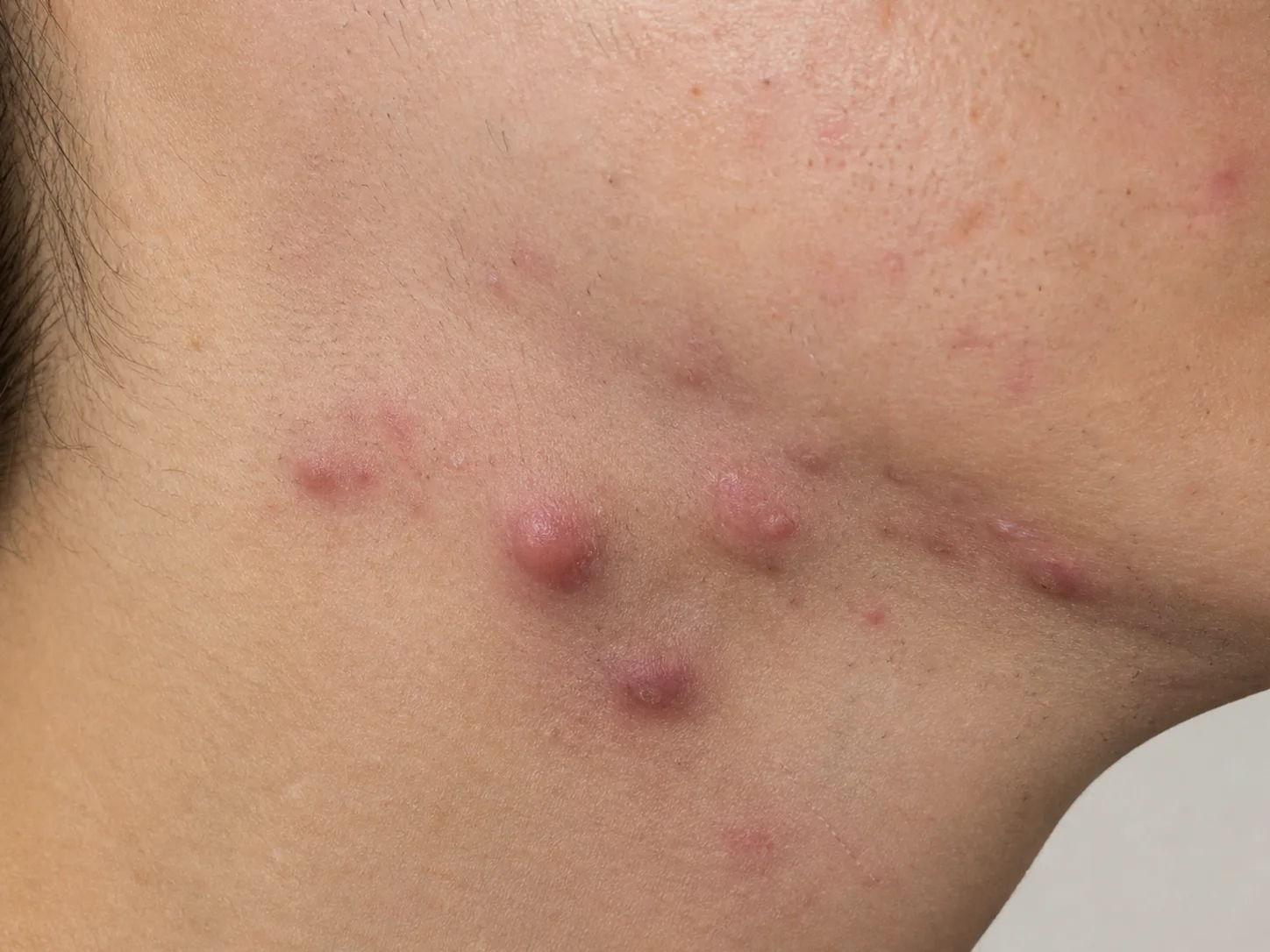
If acne that feels wider and deeper than surface red spots persists, prioritize a dermatology evaluation before scarring occurs.
Depth of acne
The depth within the skin to examine before the redness
Papulespustules·Nodules are within the same category of inflammatory acne, but the pain and risk of scarring differ. We also first screen for sudden spreading infections, drug reactions, and skin changes that may look like acne.
Papules: red and painful to the touch without pus
We examine the number and distribution of surface inflammation and whether comedones are present. Do not rub hard or squeeze, as this can make the inflammation deeper.
Pustules: where a pus head is visible
Acne is not solved simply by squeezing out the pus. We check if it recurs in the same spot as the surrounding redness, Hair follicleand compare whether the acne is uniform, like a rash.
Nodules: hard and painful deep within the skin
Because they last long and carry a risk of creating pits, we quickly verify the depth and treatment priority. For deep inflammation that increases rapidly, we only record photos and do not wait.
The process of new inflammation starting
Sebum, pore clogging, inflammation, and recovery speed all move together
Acne is not a single problem caused by a lack of washing. SebumThe process of dead skin cells clogging pores and inflammation deepening within the follicle overlaps with the speed at which marks recover after damage.
Pores transitioning from comedones to inflammation
invisible microcomedonescan lead to papules and pustules, so management that only dries out already red acne may result in the continuous emergence of new inflammation.
Days when sebum and heat rise together
We observe repetitions of whether sebum and redness increase in the same sequence due to late-night snacks, overwork, hot environments, or before and after menstruation. It is difficult to explain all changes by a single food item alone.
Delayed recovery due to dryness and irritation
If the skin barrier is irritated by harsh cleansing and multiple products, or if you lack sleep, redness and pain following inflammation may persist for a long time.
Using photos as treatment records
A 7-day map of new acne rather than a single zoomed-in photo
Close-up photos of a primary lesion help in understanding the shape of the acne, but the direction of treatment is not decided by a single image. We compare photos of various areas over time using the same lighting and distance.
Overall distribution on cheeks, chin, and forehead
Photos should focus on the areas where acne is present rather than the entire face, while maintaining a wide enough range to compare where new inflammation is clustering.
Close-up shots of papules, pustules, and nodules
To distinguish the shape and depth of the skin surface, we provide views of the same acne both in its original proportion and in a zoomed-in view.
Weekly calendars for sleep, digestion, and menstruation
By mapping the number of new acne breakouts, days of pain, lack of sleep, bloating, and menstrual timing on a weekly basis, we identify only the patterns that actually repeat.
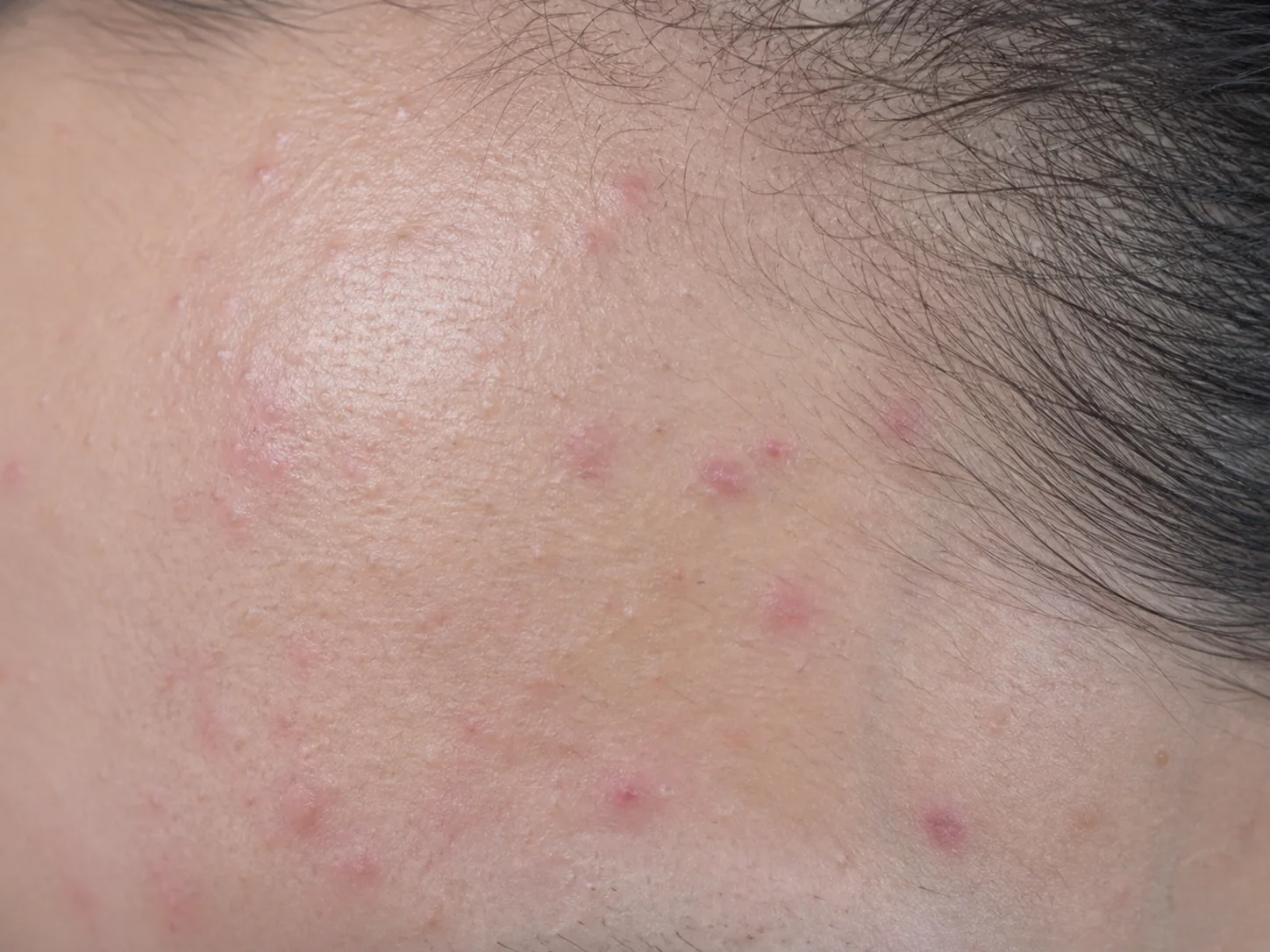
Skin-colored bumps and red inflammation can be mixed even within a single area. Rather than just counting the number, record the types of new acne that appear separately.
Pattern identification (Byun-jeung) of inflammatory acne
Even for the same red inflammation, the initial direction of the herbal medicine prescription differs
We do not simply conclude that there is 'heat in the skin.' We determine whether the primary issue is sebum and suppuration, heat in the upper face, or delayed recovery of dryness and deep inflammation, and then link this to digestion, sleep, and menstruation.
When there is excessive sebum and pustules, accompanied by post-meal bloating
If suppuration and oiliness on the cheeks and chin occur alongside late-night snacking, overeating, constipation, or dry mouth, we focus on the stomachdamp-heatand prioritize reducing its heat.
When the forehead and cheeks flush easily and small papules spread
If inflammation in the upper face increases following a hot environment, upper body heat, or thirst, we look toward a heat-clearing approach to lower lung heat and upper body heat.
When the skin is dry and deep inflammation persists after staying up all night
If inflammation on the chin and cheeks nodulesoverlaps with dry mouth, nighttime heat sensations, and lack of sleep, we do not only lower the heat but also place weight on supplementing bodily fluids and recovery.
The skin toward which treatment is directed
From treatment that quickly dries out a single lesion to a flow where new inflammation occurs less frequently
We do not simply count the number of acne lesions that have improved. To change the state of your skin next month, we must simultaneously monitor the speed and depth of new inflammation, as well as the recovery of pain and scarring.
First Criterion: Number and depth of new acne lesions over 7 days
We categorize and count papules, pustules, and nodules, and record the same location Recurrenceand the number of days with pain as the initial baseline for comparison.
First Adjustment: The single factor most closely linked to recurrence
We do not attribute everything to sebum, heat sensation, digestion, sleep, or menstruation. We identify which changes overlapped multiple times with the period of increased inflammation and reflect this in the prescription.
Next Check: Duration of new inflammation and remaining marks
By comparing the number and depth of new acne, the time it takes for red and brown marks to fade, and the number of pain-free days, we adjust the sequence of the next prescription and skin treatments.
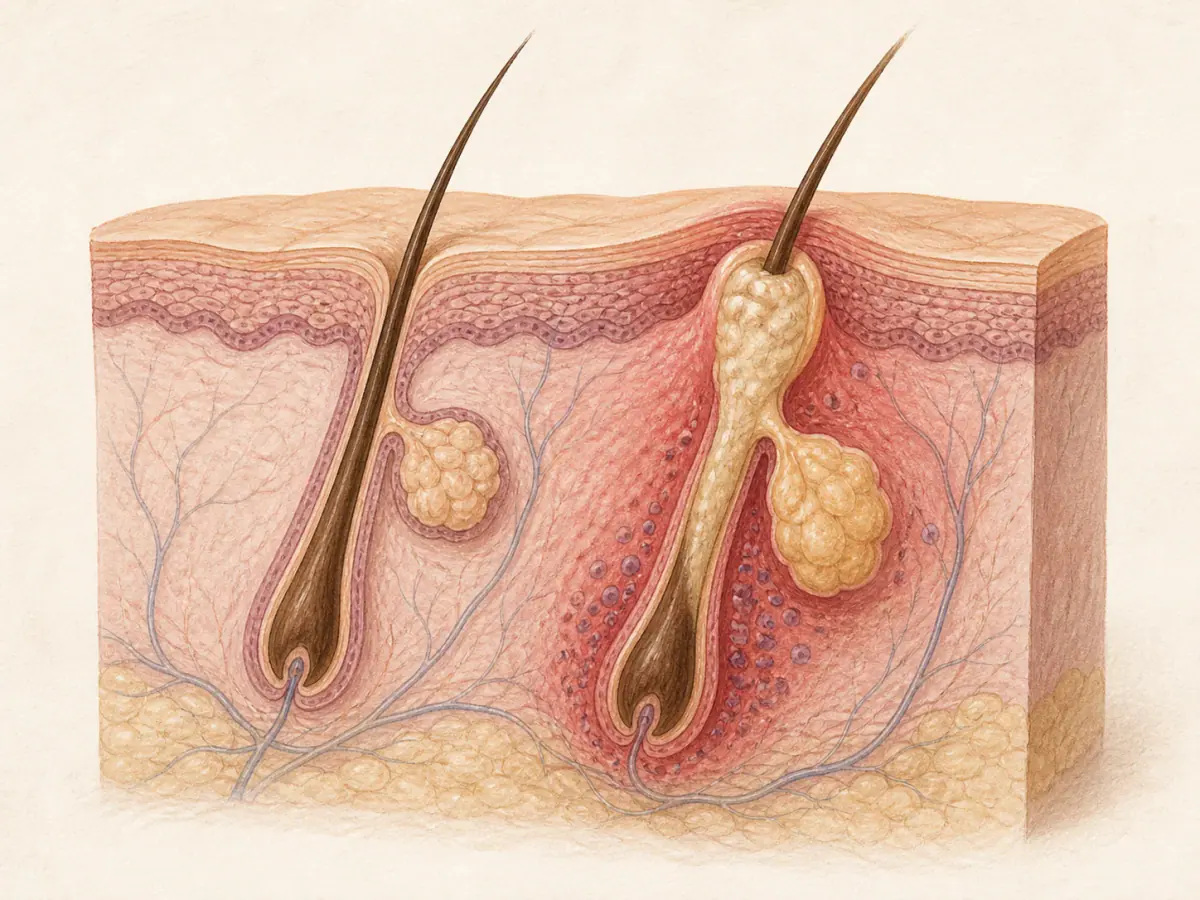
As sebum and dead skin cells accumulate at the entrance of the hair follicle and inflammation deepens, the appearance of the acne and the risk of scarring may change.
Conceptual reference · American Academy of Dermatology: Acne overviewAt the crossroads of sebum, heat, and delayed recovery
Same red acne, different recurrences caused by sebum, heat, and dryness
We identify the most prominent factor among sebum and suppuration, heat in the upper face, or dryness and delayed recovery.
Pattern identification (Byeonjeung) is not about assigning a single constitution name to acne. The priority of the prescription changes depending on the connection between comedones, inflammation, heat sensation, sebum, delayed recovery, and menstruation, sleep, and digestion.
When there are many sebum and pustules, and you feel bloated after meals
- Changes observed in acne
- We look for red pustules and oiliness on the cheeks and chin.
- Accompanying changes observed in the body
- We check for overlapping symptoms of bloating, constipation, or dry mouth after late-night snacks or overeating.
- Prescription priority
- The focus is placed on clearing heat and resolving dampness to lower heat and dampness in the skin and stomach.
When the upper face is red and flushes easily
- Changes observed in acne
- We look for small red papules, heat sensation, and sebum on the forehead and cheeks.
- Accompanying changes observed in the body
- We check for worsening symptoms following upper body heat, thirst, or exposure to hot environments.
- Prescription priority
- The focus is placed on clearing the lungs and clearing heat to lower heat and inflammation in the upper body.
When skin is dry and deep inflammation lasts a long time after staying up all night
- Changes observed in acne
- We check if nodules on the chin and cheeks persist despite the skin being dry.
- Accompanying changes observed in the body
- We check for lack of sleep, nighttime heat sensations, dry mouth, and delayed recovery.
- Prescription priority
- The focus is on nourishing fluids and clearing heat (Ja-eum and Cheong-yeol) to supplement recovery and fluids, rather than simply lowering heat.
When skin is dry and sensitive, but inflammation and marks persist
- Changes observed in acne
- We monitor the time it takes for tightness, flaking, and redness around inflammatory acne to subside.
- Accompanying changes observed in the body
- We check if new acne becomes deeper following lack of sleep, nighttime heat sensations, dry mouth, or fatigue.
- Prescription priority
- Rather than only lowering heat, we increase the focus on supplementing bodily fluids and supporting skin recovery.
Order of prescription adjustment
- Count the depth of the acne and the number of new inflammatory lesions
We do not make a judgment based on surface redness alone.
- Identify the dominant factor among sebum, heat, digestion, and sleep
Only the physical conditions that repeatedly overlap with the timing of acne flare-ups are reflected in the prescription.
- Criteria for adjustment based on new acne and the recovery of marks
We observe the rate of occurrence over one week and the remaining recovery time.
Why consider Korean herbal medicine treatment now?
- When new papules or pustules appear weekly despite using topical medication
- When deep, painful inflammation and marks increase
- When inflammation recurrence fluctuates alongside digestion, sleep, or menstruation
What is evaluated in herbal medicine treatment for this condition
- Number of new papules, pustules, and nodules over 7 days
- Number of days with pain and recurrence in the same location
- Sebum and heat sensations, and conditions before and after meals, sleep, and menstruation
Deep nodules, scarring, and other rashes are screened first
We check the depth and pain of the acne, the speed of scarring, redness, and heat, as well as symptoms appearing throughout the body, to ensure necessary dermatological care is not delayed.
Aligning the timing of hormones, products, and medications
The location and start date of acne, hormonal changes, new products, and all medications are compared within the same record.
Clear goals are set for herbal medicine treatment for recurring acne
Herbal medicine treatment aims to reduce the speed and depth of new acne, the interval of recurrence in the same spot, and to restore the skin barrier. Whether to combine this with necessary dermatological treatment is decided based on current inflammation and medications.
Things to prepare before the consultationIf you prepare acne photos, start dates and locations, hormonal changes, new skin or hair products, all prescription drugs and supplements, and details of recurring flare-ups, we can discuss specifically how herbal medicine treatment can help during your consultation.
Deep nodules, widely spreading infections, and rapidly forming scars must be checked at a dermatology clinic without delay. For already pitted scars, separate procedures should be considered; Korean herbal medicine treatment examines the patterns of recurring new inflammation and the state of sleep, digestion, and menstruation that slow down skin recovery.
Consult about inflammatory acne progressAcne Glossary
Additional information to know regarding inflammatory acne
You can check simple definitions before proceeding to detailed explanations.Frequently Asked Questions
Frequently Asked Questions about Inflammatory Acne
What is the primary cause of acne?
Sebum and skin cells poreblock the pore, followed by a process where bacteria and inflammation are added. Risk contexts such as hormones, family history, medications, and products overlap differently for each person.
Will acne disappear if I stop eating chocolate or drinking milk?
While the link between certain diets and worsening symptoms is being researched, a single specific food is not the cause for everyone. Record reactions that recur for you, but it is difficult to view one single food as the sole cause.
Does stress cause new acne?
Stress can worsen acne for some people, but it is not established as the sole cause. Hormones, sleep, and changes in products are also considered.
If I think it was caused by medication, can I stop taking it immediately?
Do not stop taking medication arbitrarily. Show the prescriber the name of the medication, the start or change date, and photos of the acne to discuss the correlation and safe alternatives.
Will it improve if I only eat foods that are good for acne?
A single specific food does not cure acne, nor does every person require the same diet. Acne is the result of multiple factors working together, including sebum, dead skin cells, follicle inflammation, and hormones. Record whether acne repeatedly worsens after certain foods, but prioritize standard skin treatments and a balanced diet over excessive restrictive dieting.
Can't I just keep applying antibiotic ointment?
Since long-term use alone carries a risk of resistance, BPO they are used in combination with other treatments and for a limited duration. Please consult regarding non-antibiotic maintenance therapy after improvement.
When do retinoids show results?
There may be initial irritation, and changes take time. Use consistently as prescribed, and typically compare photos to evaluate the response after 8 to 12 weeks.
Evidence and Update Information
Dr. Choi Yeon-seung, a Korean medicine doctor, organized this content based on the official professional materials and disease-specific clinical data below, and updated the content on 2026-08-26.
- NIAMS: AcneEvidence regarding the process of pore clogging by sebum and skin cells, bacterial and inflammatory action, and the influence of hormones, family history, certain medications, and aggravating factors
- American Academy of Dermatology: Adult acneEvidence regarding the context of hormonal fluctuations, stress, family history, skin and hair products, certain medications, and underlying diseases
- AAD: Updated Guidelines for Acne ManagementEvidence for combined treatment with topical retinoids and BPO, limiting the duration of antibiotics and combining them with BPO, and the use of isotretinoin for severe cases or treatment failure
- AAD: Acne Diagnosis and TreatmentPatient guidance evidence for topical and oral medications by acne type, and the combination of BPO and retinoids to reduce antibiotic resistance
- FDA: iPLEDGE Isotretinoin REMSOfficial basis for the risk of embryotoxicity and fetotoxicity of isotretinoin and risk management procedures for pregnancy prevention and testing
- American Academy of Dermatology: Acne overviewDistinction between comedones, papules, pustules, nodules, and cysts, and the risk of scarring from deep-seated acne