Pitted acne scars: Read in the order of your curiosity
Before concluding based on a single red spot
Pitted acne scars: Depth of symptoms and remaining marks
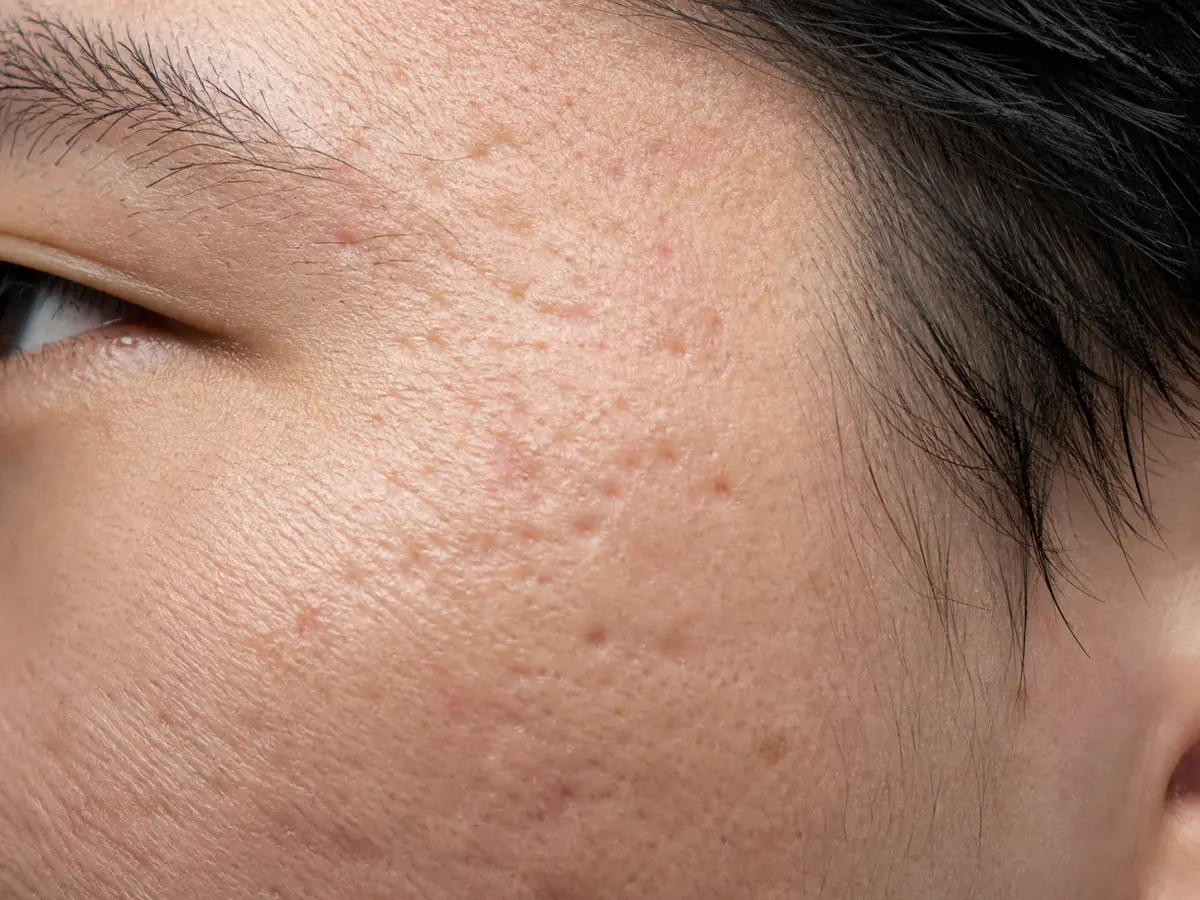
Pitted acne scars are categorized into narrow and deep Icepick-typeboxcar type with relatively angular borders, and rolling type with wide and gentle waves; these can be mixed in one area. Even if they are red or brown, if the surface is flat, they may be post-inflammatory marks. Korean herbal medicine cannot promise to fill an already pitted dermal structure; we distinguish between the role of reducing recurrent inflammation and recovery conditions that create new scars, and actual scar procedures.
Shape of the pitting
Ice-pick, boxcar, and rolling types versus flat marks
| Visible changes | Closest type | Next step |
|---|---|---|
| Narrow and deeply punctured holes | Ice-pick type | Depth evaluation |
| Pitting with rounded or angular borders | Boxcar type | Record width and depth |
| Wide and gentle wave-like shadows | Rolling type | Adhesion and range evaluation |
| Surface is flat, only discoloration remains | Post-inflammatory marks | Distinguished by erythema and pigmentation |
When to seek medical evaluation first
Active changes to check before scars
The following changes prioritize medical evaluation over scar management.
- If deep, painful nodules or pus continue to form newly
- If heat, pain, or swelling spreads rapidly after a procedure
- If raised tissue continues to grow or if bleeding or ulcers occur
Distinguishing the roles of structural scars and recurrent inflammation
Criteria for observing the trend of increasing new scars first, rather than claiming to fill already indented scars
pitted scarsDirect treatment is the domain of dermatological procedures tailored to the type and depth. Korean herbal medicine treatment is designed with the goal of reducing nodules, pustules that continue to appear during that process, prolonged heat and dryness, and inflammation that recurs according to sleep, digestion, and menstruation.
Distinguishing between flat marks and indentations
Check under the same lighting to determine if it is a change in color or an actual change in elevation.
Counting existing scars and new inflammation separately
The number of new weekly nodules and pustules is compared first, rather than the scar area.
Criteria for observing recovery conditions between procedures
Check if recovery is slower during periods when the skin is dry or red, or when sleep and digestion are uncomfortable.
Treatment GoalBy reducing active inflammation, we slow the rate at which new indentations increase and help ensure that structural scar treatment is performed on stabilized skin.
Consult using 7-day photos of indented acne scars and records of new acne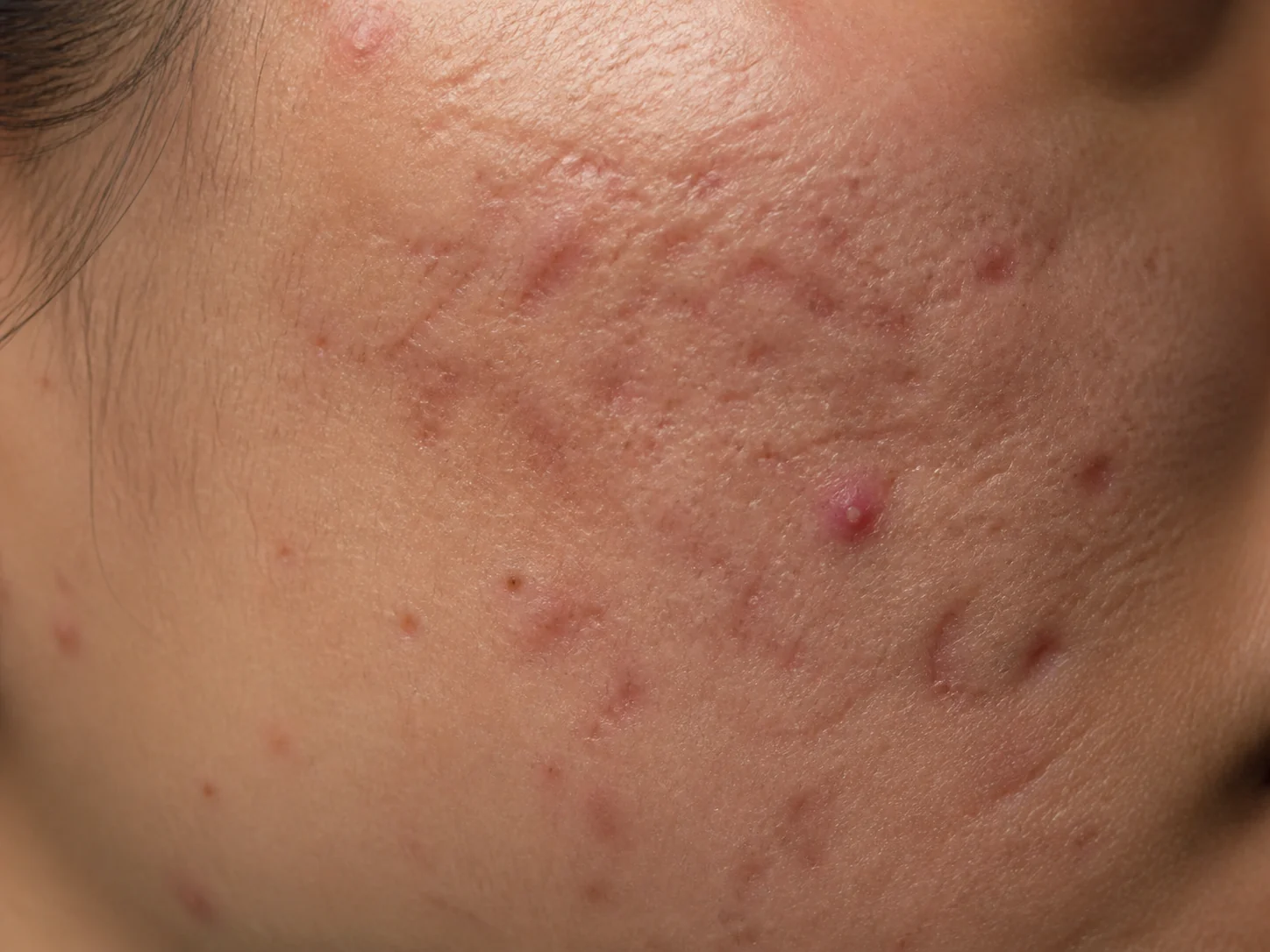
We distinguish between flat marks where only discoloration remains and scars where the skin level has changed, and first determine the sequence to reduce new inflammation.
Educational reproduction images and simplified diagrams of the process do not represent actual patient photos or treatment results.If you have had these experiences
For those who received mark treatment but notice indentations more clearly depending on the light
Direct treatment of pitted scars is the domain of dermatological procedures tailored to the type and depth. Korean herbal medicine treatment continues to address nodulespustules, prolonged heat sensation and dryness, and inflammation that recurs according to sleep, digestion, and menstruation.
Those with a mix of narrow, deep holes and wide indentations on the temples and cheeks
When deep and painful acne recurs even during scar management
Those with surface shadows remaining after red marks have faded
When new inflammation coincides with worsening sleep, digestion, or menstruation
Those who continue to develop deep inflammation even during scar management
When redness, dryness, and new acne increase together after intensive management
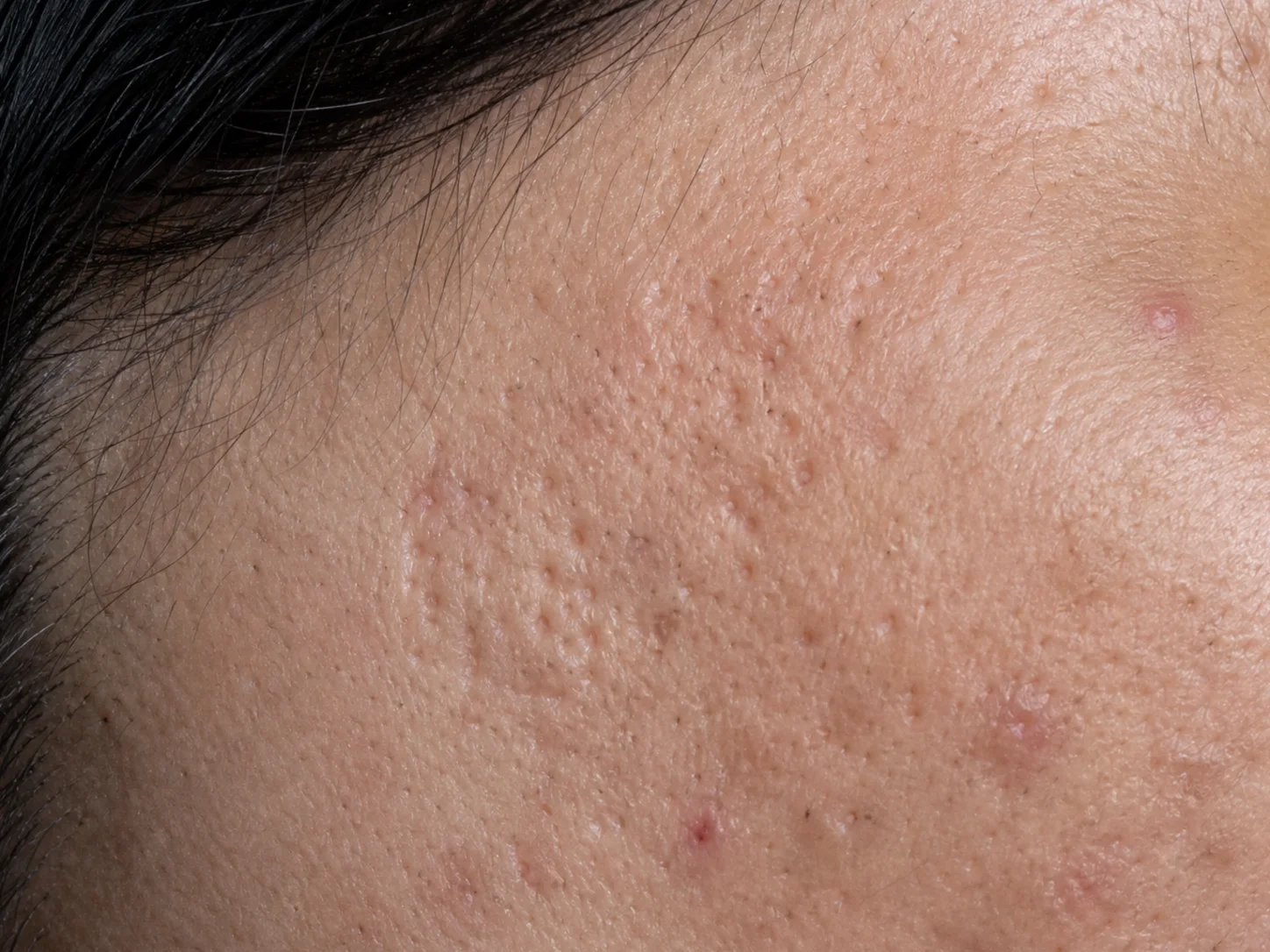
The width, boundary, and depth of indentations can vary even within a single area. We first reduce active inflammation and then plan dermatological procedures according to the scar type.
This is how we examine during the medical evaluation
Pitted acne scars: depth of symptoms and remaining traces
Pitted acne scars are categorized into narrow and deep ice-pick types, those with relatively angular borders boxcar type, and wide, gently undulating rolling types, which may be mixed in one area. Even if red or brown, if the surface is flat, it may be post-inflammatory hyperpigmentation. We cannot promise that Korean herbal medicine will fill an already pitted dermal structure; we distinguish between the role of reducing recurrent inflammation and recovery conditions that create new scars, and the actual scar procedures.
Changes to check first
Pitted acne scars are categorized into narrow and deep ice-pick types, boxcar types with relatively angular borders, and wide, gently undulating Rolling-typerolling types, which may be mixed in one area. Even if red or brown, if the surface is flat, it may be post-inflammatory hyperpigmentation. We cannot promise that Korean herbal medicine will fill an already pitted dermal structure; we distinguish between the role of reducing recurrent inflammation and recovery conditions that create new scars, and the actual scar procedures.
Repeated timing and context
Atrophic acne scars are categorized into ice-pick scars (narrow and deep), boxcar scars (relatively angular borders), and rolling scars (wide and gently undulating); these types may be mixed in one area. If the surface is flat despite being red or brown, it may be post-inflammatory erythema or hyperpigmentation. Korean herbal medicine cannot guarantee that it will fill already recessed dermal structures; its role is to reduce the conditions for recurrent inflammation and recovery that create new scars, which is distinct from scar revision procedures.
Changes to monitor after treatment
It reduces active inflammation to slow the rate at which new indentations form, helping structural scar treatments proceed on stabilized skin.
Reasons Why It Does Not Heal Easily
Pitted acne scars: why new acne continues to appear even after one is subsided
Direct treatment of pitted scars is the domain of dermatological procedures tailored to the type and depth. Korean herbal medicine treatment is designed to reduce nodulesand pustules, prolonged heat sensation and dryness, and inflammation that recurs according to sleep, digestion, and menstruation, designed with the goal of reducing these.
Distinguishing between flat marks and indentations
We check under the same lighting to determine if it is a change in color or an actual change in skin level.
Existing scars and new inflammation are counted separately
The weekly number of new nodules and pustules is compared first, rather than the total scar area.
Criteria for evaluating recovery conditions between procedures
We check if recovery is slower during periods when the skin is dry or red, or when sleep and digestion are uncomfortable.
Using photos as medical records
For pitted acne scars, compare 7-day changes using photos taken under the same lighting
By reducing active inflammation, we slow the rate at which new pits increase and help ensure that structural scar treatment is performed on stabilized skin.
Criteria for assessing depth under oblique lighting
Wide and gentle rolling pits may be less visible with front lighting alone.
Record color and surface texture separately
Since a pit can be red or brown at the same time, these two changes are not grouped into a single term.
Deep nodules are reduced first
If new dermal damage occurs repeatedly, the extent of scarring may continue to increase.
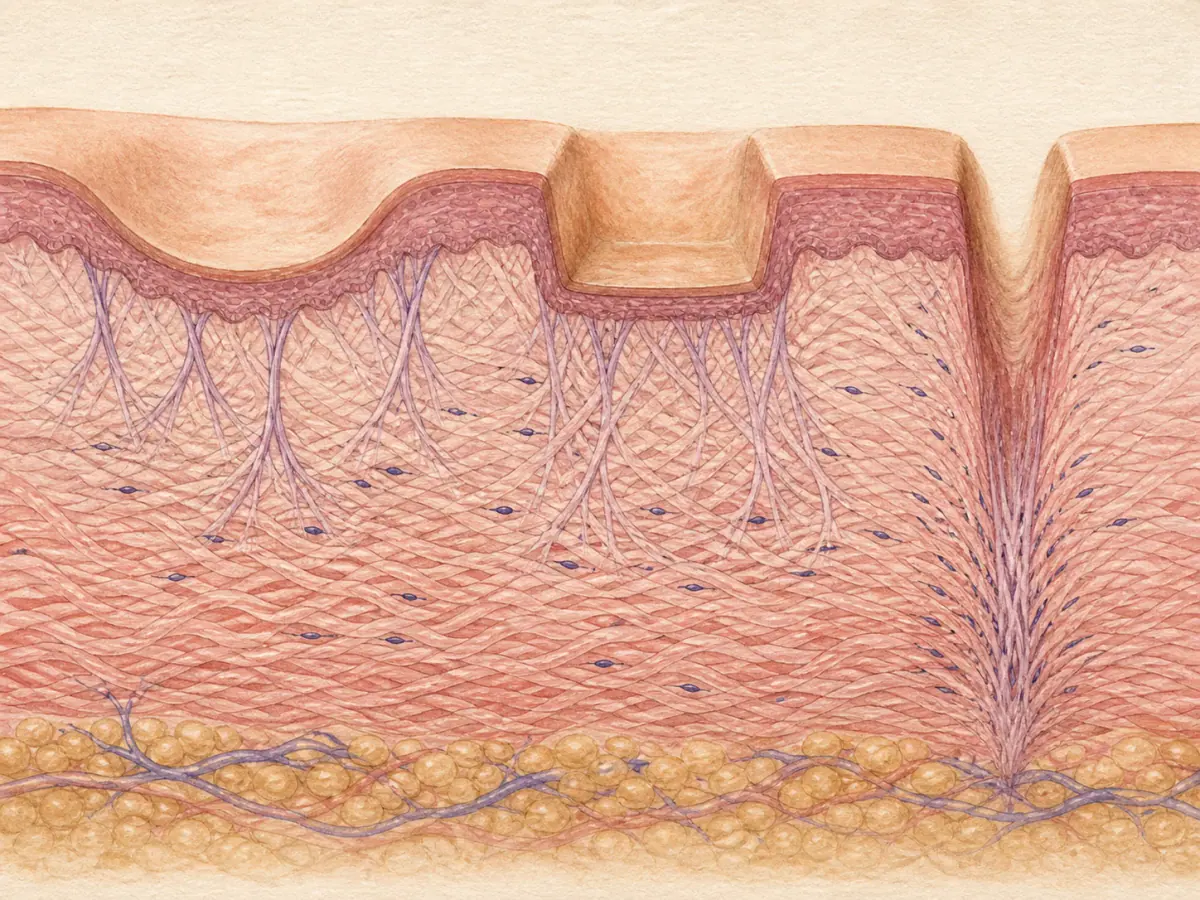
Even if all indentations look similar from the outside, the surface width and the depth within the dermis can vary, which may lead to different dermatology treatment plans.
Conceptual reference · American Academy of Dermatology: Acne scarsKorean herbal medicine pattern identification for pitted acne scars
Why prescriptions for pitted acne scars differ based on sebum, heat, dryness, and menstruation
The shape of the scars is reflected in the procedure plan, while new inflammation and overall body condition, which worsens alongside the skin, are reflected in the Korean herbal medicine prescription plan.
When narrow, deep holes appear like dots
We look for pits that appear small on the surface but are deep. We check for new inflammation in the same area. Structural treatment is deferred to dermatology, while the focus is placed on preventing new deep inflammation.
When angular pits and wide waves are mixed
We examine the borders and shadows based on the direction of light. We inquire about the history of recovery and color changes after procedures. While respecting the procedure plan, we reduce inflammation and dryness conditions that hinder recovery.
When nodules and pustules continue to form between pits
New, painful, and protruding acne is counted separately. We examine the onset timing in relation to upper body heat, sleep, menstruation, and bowel movements. Priority is given to controlling active inflammation to reduce the risk of new scars.
Changes to monitor during treatment
Changes to check in next week's photos
By reducing active inflammation, we slow the rate at which new pits increase and help ensure that structural scar treatment is performed on stabilized skin.
Photos taken from oblique and front angles
Please take photos under the same lighting for 7 days, and include both 'photos taken from oblique and front angles'.
Weekly number of new nodules and pustules
Please take photos under the same lighting for 7 days and record the 'weekly number of new nodules and pustules'.
Current scar treatment and dermatology medication history
Please take photos under the same lighting for 7 days and record your 'current scar treatment and dermatology medication history'.
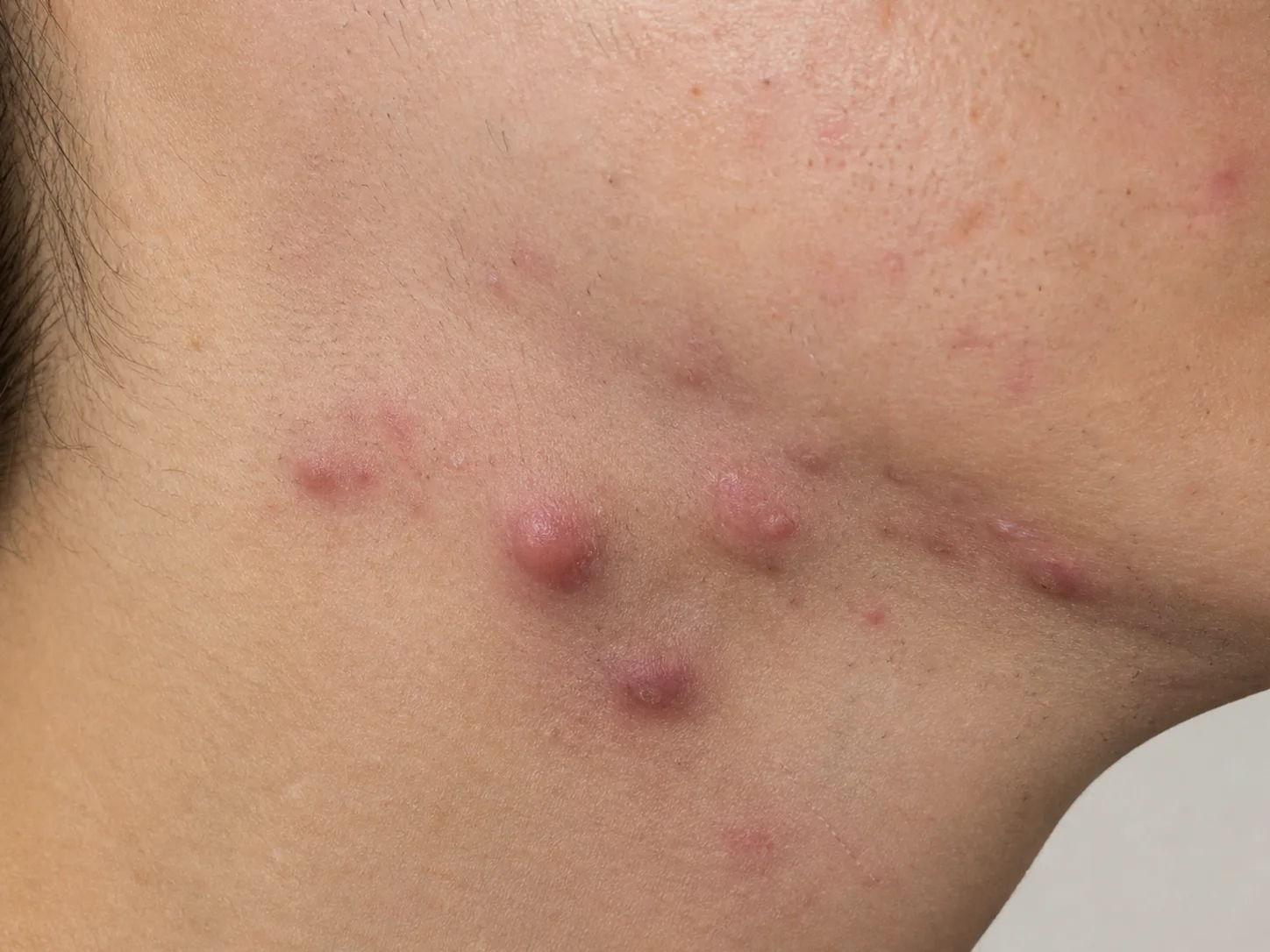
If acne that feels wider and deeper than surface red spots persists, prioritize a dermatology evaluation before scarring occurs.
At the crossroads of sebum, heat, and recovery speed
Criteria for distinguishing between types of pitting and active inflammation
The shape of the scar is reflected in the procedure plan, while new inflammation and overall physical condition that worsens alongside the skin are reflected in the Korean herbal medicine prescription plan.
Pattern identification (Byeonjeung) is not about assigning a single constitution name to acne. The priority of the prescription changes depending on the connection between comedones, inflammation, heat sensation, sebum, delayed recovery, and menstruation, sleep, and digestion.
When narrow, deep holes appear like dots
- Changes observed in acne
- Observe pitting that appears small on the surface but looks deep.
- Accompanying changes observed in the body
- Check if there is new inflammation in the same area.
- Prescription priority
- Structural treatment is deferred to dermatology, focusing on preventing new deep inflammation.
When angular pitting and wide waves are mixed
- Changes observed in acne
- Observe the boundaries and shadows according to the direction of light.
- Accompanying changes observed in the body
- Inquire about the recovery and color change history after procedures.
- Prescription priority
- Respect the procedure plan while reducing inflammation and dryness conditions that hinder recovery.
When nodules and pustules continue to form between pitted areas
- Changes observed in acne
- Count new, painful, and raised acne separately.
- Accompanying changes observed in the body
- Observe upper body heat, sleep, menstruation, bowel movements, and the onset timing.
- Prescription priority
- Prioritize the control of active inflammation to reduce the risk of new scars.
When skin is dry and sensitive, but inflammation and marks persist
- Changes observed in acne
- Observe the time it takes for tightness, dead skin, and redness around pitted acne scars to subside.
- Accompanying changes observed in the body
- We check if new acne becomes deeper following lack of sleep, nighttime heat sensations, dry mouth, or fatigue.
- Prescription priority
- Rather than only lowering heat, we increase the focus on supplementing bodily fluids and supporting skin recovery.
Order of prescription adjustment
- Separate scar treatment from inflammation treatment
Do not confuse the role of herbal medicine with structural scar procedures.
- First reduce newly formed deep acne
Continuously monitor the weekly number of nodules and pustules.
- Record recovery between procedures
Observe the time it takes for erythema, dryness, and pain to subside.
Why consider Korean herbal medicine treatment now?
- When deep and painful acne recurs even during scar management
- When new inflammation coincides with worsening of menstruation, sleep, or digestion
- When redness and dryness increase along with new acne after intensive management
What is evaluated in herbal medicine treatment for this condition
- Photos taken from a side angle and from the front
- Weekly number of new nodules and pustules
- Current scar procedure and dermatology medication history
Deep nodules, widely spreading infections, and rapidly forming scars must be checked at a dermatology clinic without delay. For already pitted scars, separate procedures should be considered; Korean herbal medicine treatment examines the patterns of recurring new inflammation and the state of sleep, digestion, and menstruation that slow down skin recovery.
Consult about the progress of pitted acne scarsAcne Glossary
Additional information to know regarding pitted acne scars
You can check simple definitions before proceeding to detailed explanations.Frequently Asked Questions
Frequently asked questions about pitted acne scars
What types of pitted acne scars are there?
There are ice-pick scars (narrow and deep), boxcar scars (relatively distinct borders), and rolling scars (wide and gentle), and these types may be mixed.
Are red marks also considered pitted scars?
If the surface is flat, Post-inflammatory erythemait may be a mark. Color and skin level are evaluated separately.
I keep getting acne; can I start with scar procedures first?
Since new inflammation can create more scars, active acne is often stabilized first.
Does herbal medicine fill in pitted scars?
We do not promise direct restoration. Consultations are aimed at reducing the conditions that lead to recurring deep inflammation and delayed recovery.
What should I record before a consultation for pitted acne scars?
Photos taken from the front and with oblique lighting, the number of new nodules or pustules per week, and your history of current scar treatments and dermatological medications.
Evidence and Update Information
Dr. Choi Yeon-seung, a Korean medicine doctor, organized this content based on the official professional materials and disease-specific clinical data below, and updated the content on 2026-08-26.
- American Academy of Dermatology: Acne scarsScar types and control of active acne
- DermNet: Acne scarringDistinguishing between atrophic scars and post-inflammatory pigment changes
- Penn Medicine: Acne scarring and pockmarksEvaluation of scars and pigment changes
- American Academy of Dermatology: Acne scars: Signs and symptomsBasis for distinguishing between icepick, rolling, and boxcar atrophic scars, hypertrophic and keloid scars, and post-inflammatory hyperpigmentation (which is not a scar)
- American Academy of Dermatology - Acne scars: Consultation and treatmentThis is the basis for determining combined procedures by scar type, prioritizing the control of active acne, and setting treatment expectations.